Kovalam
What is Kovalam Famous For? 7 Reasons This Beach is Worth Visiting
Kovalam is famous for its three crescent-shaped beaches, Ayurvedic resorts, and the 36-metre Vizhinjam Lighthouse, all 16 km south of Thiruvananthapuram. Here is what makes it one of India's most recognised coastal destinations.
On this page
Most people arrive in Kovalam expecting a beach. They find something closer to three beaches in one, with an Ayurveda resort behind almost every row of coconut palms, a lighthouse that has guided Arabian Sea sailors since 1972, and a food scene shaped by five decades of international visitors.
Kovalam sits 16 km south of Thiruvananthapuram, the capital of Kerala, and 10 km from the international airport. Its name translates literally to "coconut grove" in Malayalam. That is still an accurate description.
The palms are everywhere, and so is the infrastructure that has grown around them since the early 1970s, when Kovalam transitioned from a quiet fishing village into one of India's first internationally recognised beach destinations.
This article covers what Kovalam is actually famous for, what makes it different from other Kerala beaches, and what to expect when you visit.
1. Three beaches with three different personalities
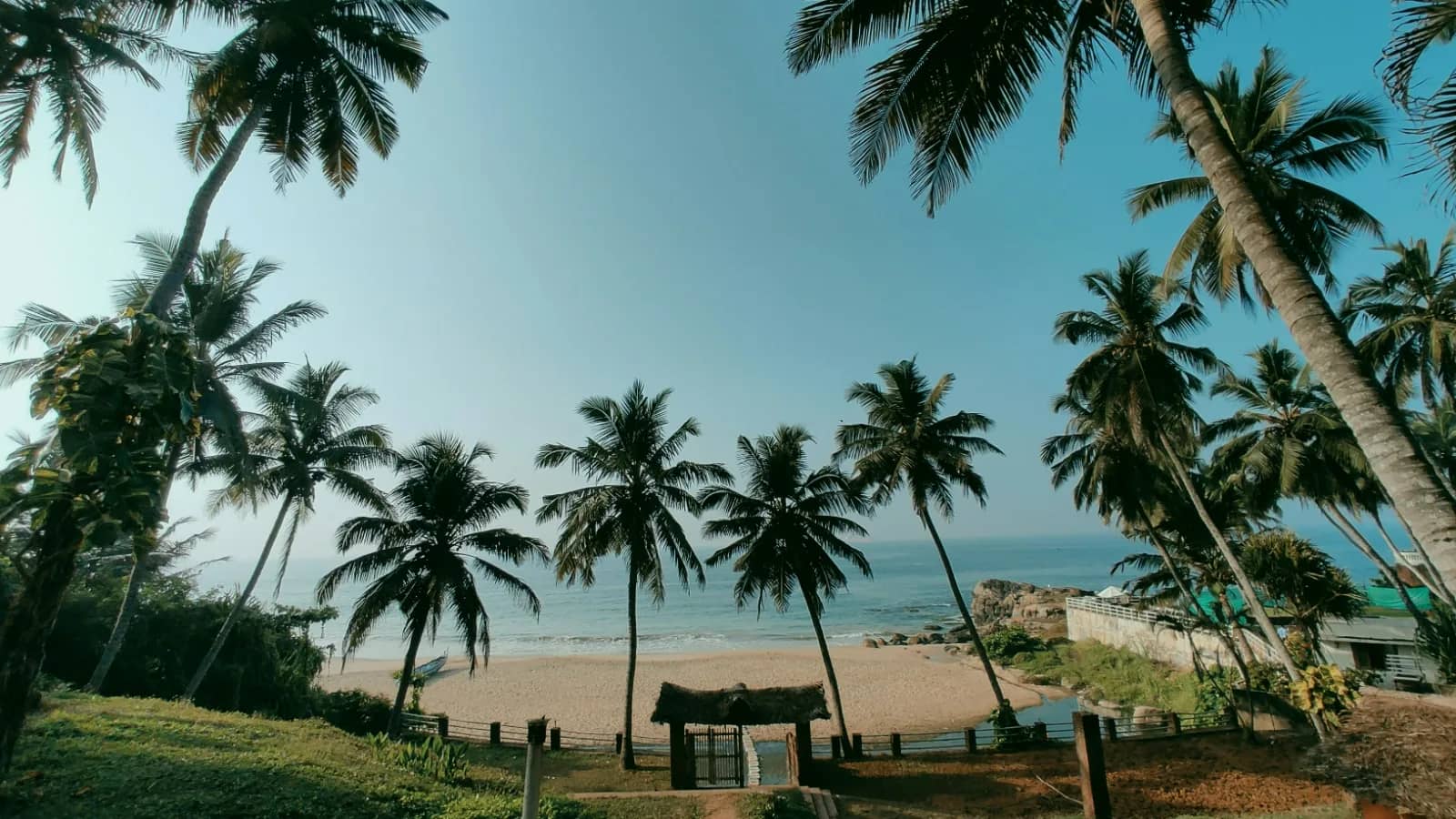
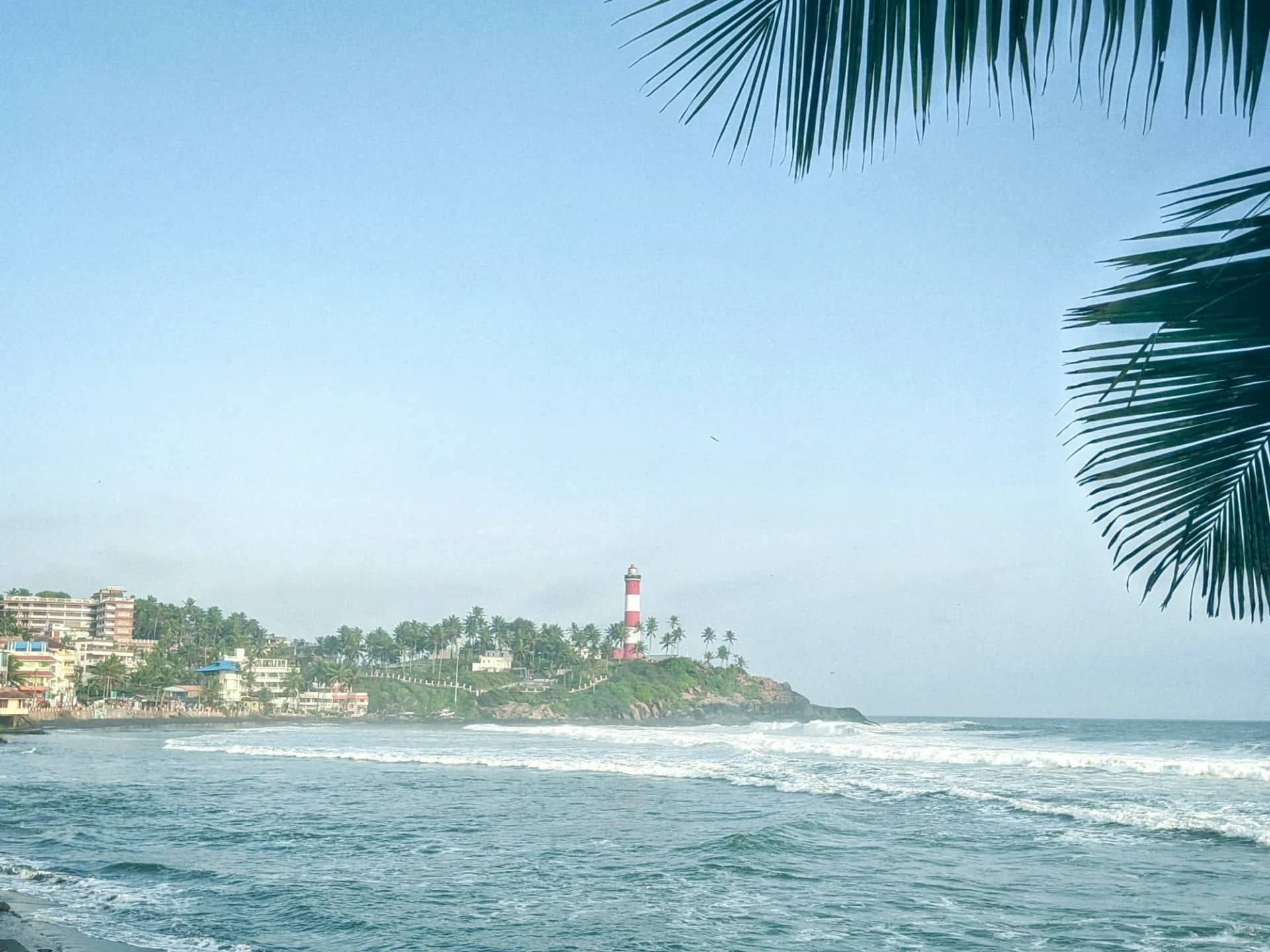
Kovalam is not one beach. It is three adjacent crescent-shaped beaches separated by rocky headlands along a 17 km stretch of the Arabian Sea coastline: Lighthouse Beach, Hawa Beach (also called Eve's Beach), and Samudra Beach.
That distinction matters more than it sounds. Each beach draws a different type of visitor and offers a different atmosphere within walking distance of the others.
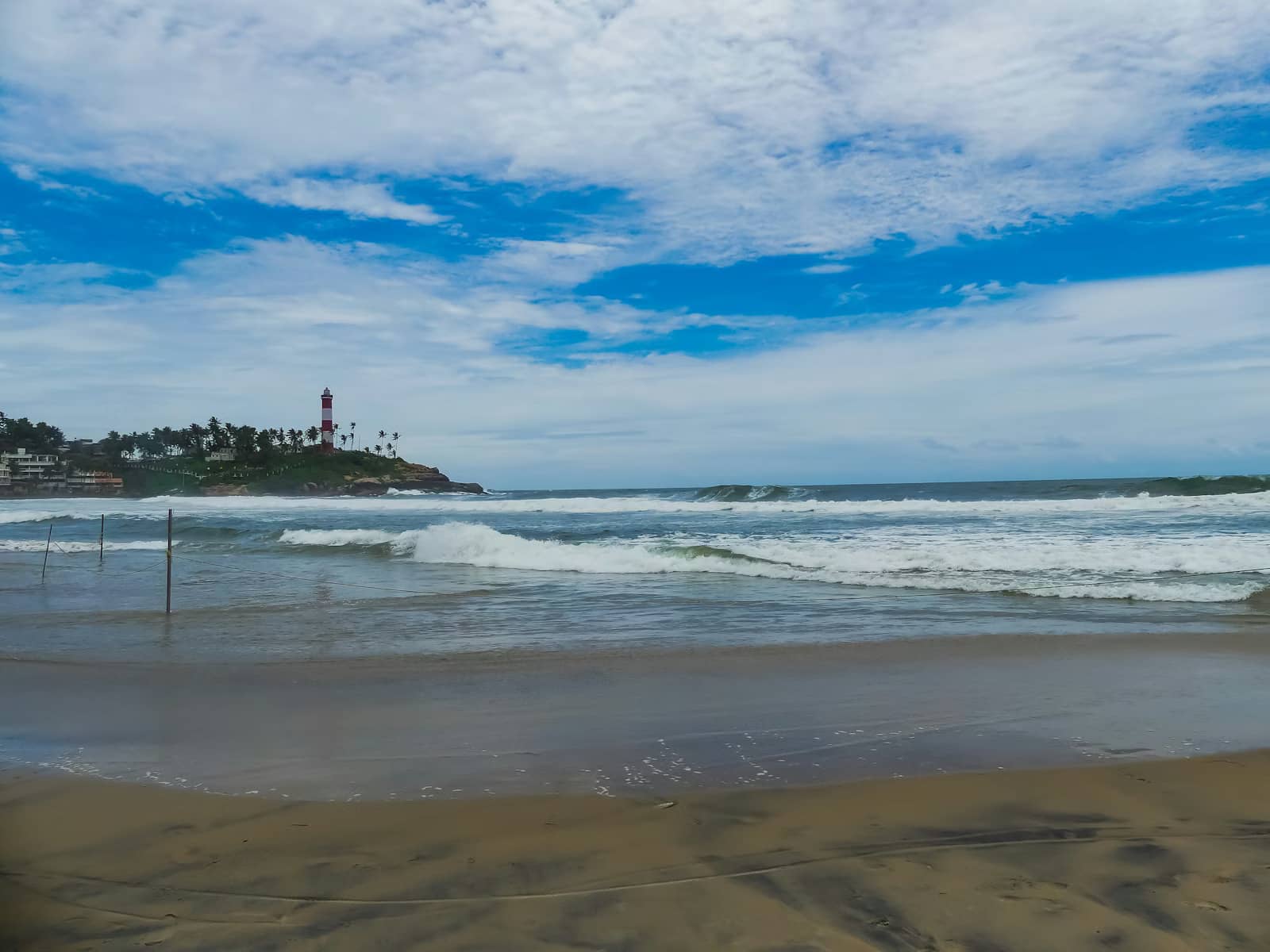
Lighthouse Beach is the busiest. It runs along the southern end of the Kovalam bay and is lined with restaurants, Ayurveda centres, beach shops, and guesthouses. Most first-time visitors base themselves here. The beach gets its name from the Vizhinjam Lighthouse, a red-and-white striped structure built in 1972 that stands 36 metres tall on Kurumkal Hill at the southern tip of the beach.
Hawa Beach sits directly north of Lighthouse Beach, separated by a small rocky promontory. It is calmer, less developed, and used by local fishing communities early each morning. Tourists who find Lighthouse Beach too crowded often move here by mid-morning. The waves are gentler, and the palm canopy is denser.
Samudra Beach is the quietest of the three. It lies north of Hawa Beach and is primarily surrounded by Ayurveda resorts and wellness retreats. The crowd here tends to be guests checking in for 7- to 14-day treatment programmes rather than day visitors.
A rocky headland creates a naturally sheltered bay across all three beaches. That geography keeps the surf calmer than most open-coast Kerala beaches, which is one reason Kovalam has a long history as a swimming destination safe enough for casual visitors.
2. The lighthouse that defines the skyline
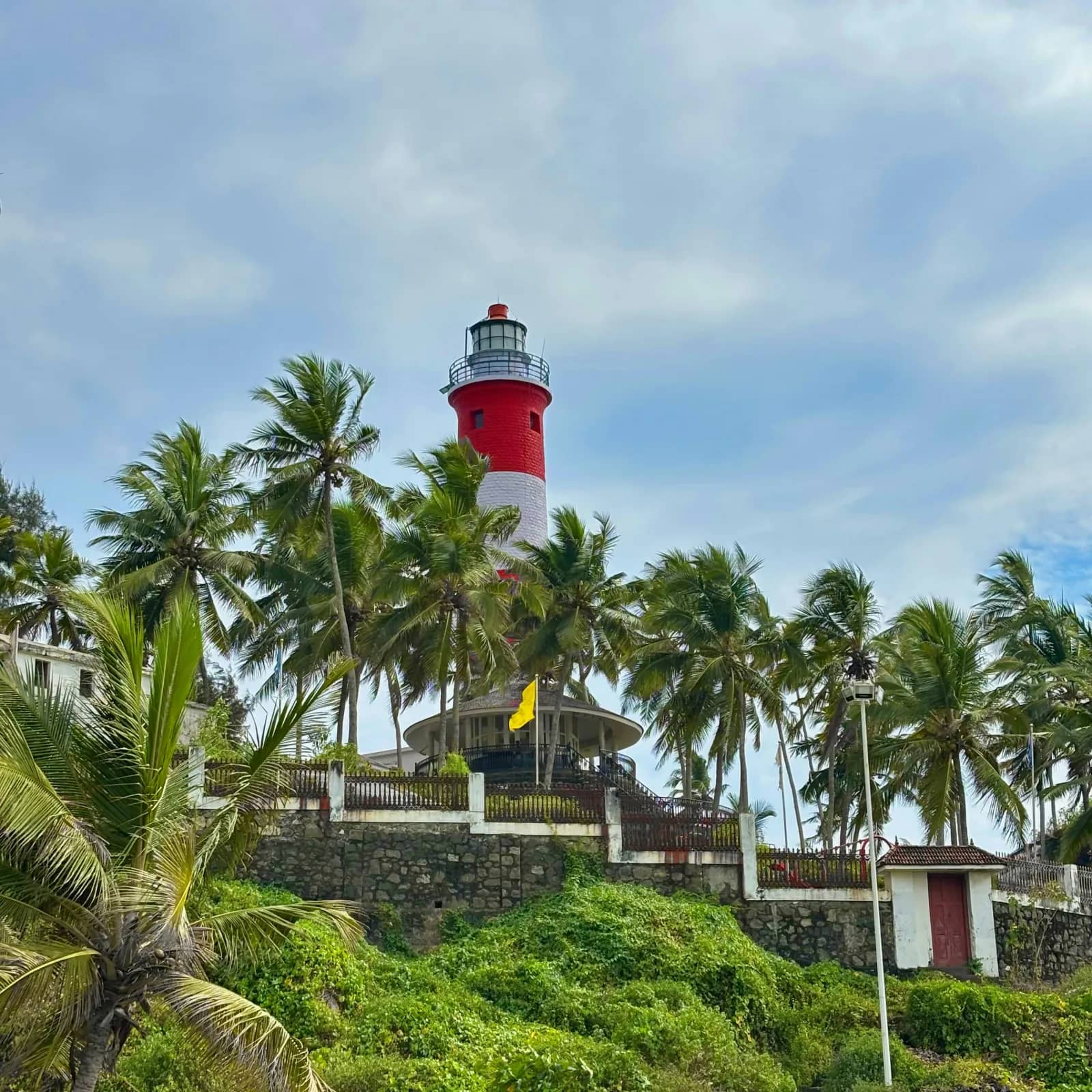
The Vizhinjam Lighthouse at Kovalam Beach was built in 1972, stands 36 metres tall on Kurumkal Hill, and costs ₹20 to enter. From the observation platform at the top, visitors can see the full arc of the Kovalam coastline and the Vizhinjam fishing harbour to the south.
The lighthouse is the most photographed landmark in Kovalam and one of the most visited paid attractions in Thiruvananthapuram district. It has a lift to near the top and 142 steps to the observation deck. The best time to climb is before 10:00 AM, when the morning light falls on the beach below and queues are shorter than in the afternoon.
The lighthouse began operating on 30 June 1972, replacing a simple day-mark flag mast that had previously served the Vizhinjam seaport. Before the current structure, there was no lighthouse at this location despite the port's activity during the 18th and 19th centuries.
At night, the lighthouse beam sweeps the bay every 15 seconds. On the beach below, that rhythm turns into part of the Lighthouse Beach atmosphere, a slow pulse of light passing over the restaurants and the waterline while people eat dinner on open terraces facing the sea.
Explore Islands, Mangroves & Beaches
Poovar Boating Cruises Starting at Just ₹1,199/-
Book Poovar backwater cruises online at transparent rates and enjoy a hassle-free experience with Cruoo.
Check Availability3. Ayurveda tourism, the reason many people come specifically

Kovalam is Kerala's most concentrated hub for certified Ayurvedic treatment. Resorts along all three beaches offer programmes ranging from a single-session Abhyanga oil massage to 21-day Panchakarma detox retreats. The monsoon months from June to September are considered the optimal period for Ayurvedic therapy, as Kerala's humid climate improves the skin's absorption of herbal oils.
Ayurveda has been practised in Kerala for over 2,000 years. Kovalam became associated with it internationally in the late 1980s and through the 1990s, when Kerala Tourism began promoting wellness tourism alongside beach tourism. The two turned out to suit each other. Visitors who came to the beach found themselves staying an extra week for a treatment programme. Visitors who came for Ayurveda found themselves spending mornings on the sand.
The range is wide. Budget Ayurveda centres near Lighthouse Beach offer 60-minute sessions from around ₹800. Dedicated Ayurvedic resorts at Samudra Beach, such as Somatheeram Ayurveda Beach Resort, one of the first resorts in the world to receive ISO certification for Ayurvedic treatment, offer residential programmes with daily consultations, customised diets, and multiple therapy sessions, starting from around ₹8,000 per night inclusive.
Note: Visitors interested in Ayurveda should look for resorts with therapists certified by the Kerala University of Health Sciences or treatment protocols supervised by a qualified Ayurvedic physician. Walk-in beach-road centres vary significantly in quality.
4. A history that begins with royalty and was cemented by hippies
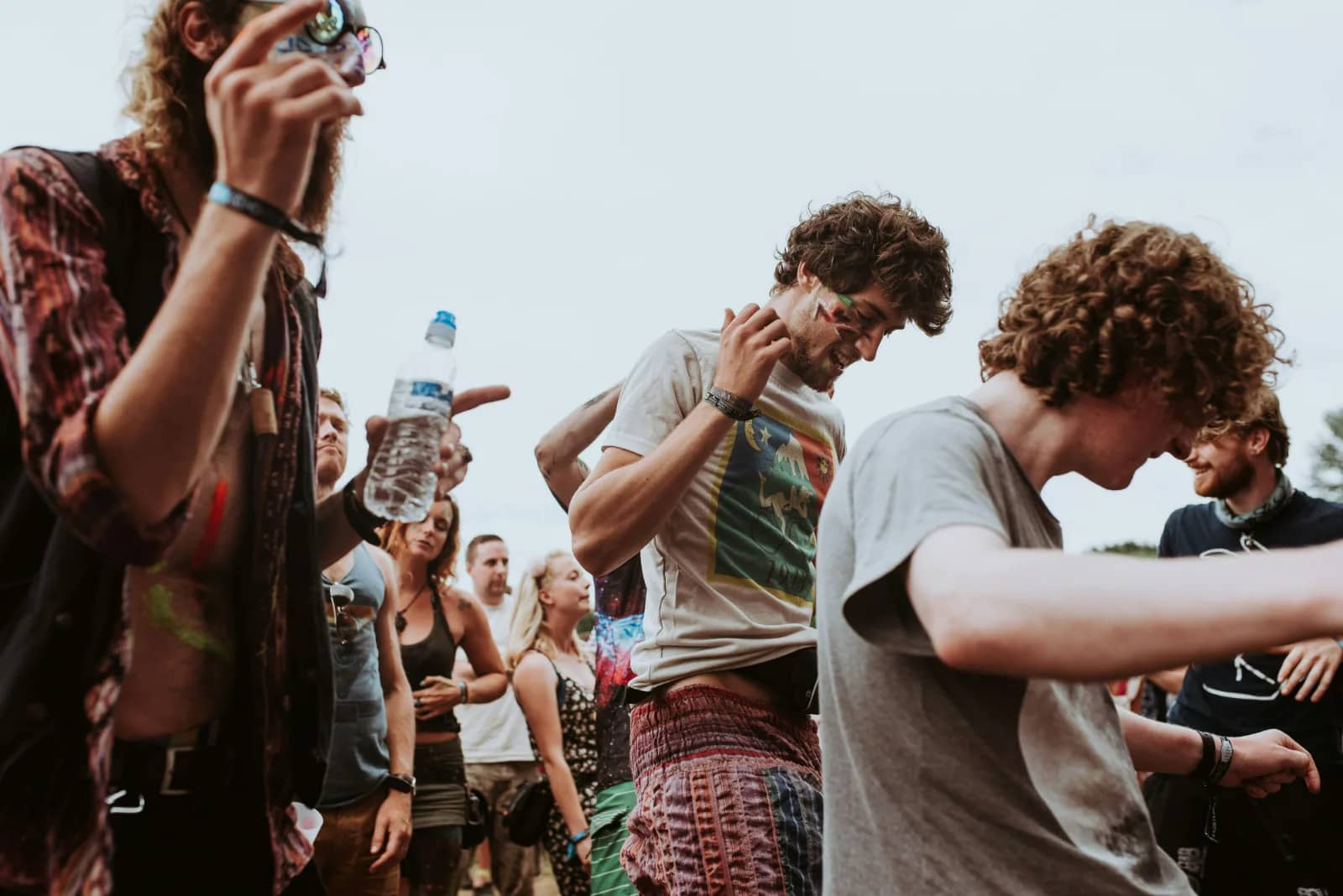
Kovalam's tourism history starts in the late 1920s, when Regent Maharani Sethu Lakshmi Bayi of Travancore built Halcyon Castle as a private beach retreat here. International tourism arrived in the early 1970s when Kovalam became a stop on the hippie trail from Europe to Southeast Asia and Ceylon. That backpacker legacy shaped the food, the culture, and the tolerance for independent travellers that defines Kovalam today.
The Maharaja subsequently brought European guests of the Travancore kingdom to Halcyon Castle through the 1930s, and their accounts spread Kovalam's reputation in European travel circles. But the transformation from royal retreat to public destination happened across a different era and with a very different crowd.
The hippie trail brought travellers seeking cheap accommodation, warm beaches, and a distance from Western conventions. Kovalam offered all three. By the mid-1970s, small guesthouses and open-air cafes run by local families had begun appearing along Lighthouse Beach. Israeli, German, French, and British travellers arrived in growing numbers.
That influx produced something durable: a beach-road culture that now serves both budget backpackers and five-star resort guests within a few hundred metres of each other. The old beachside cafes still exist alongside hotel restaurants from major chains. The market strip near Lighthouse Beach still sells lungi fabric and handmade sandals alongside Ayurvedic skincare products.
5. Seafood and Kerala cuisine that travellers consistently return for
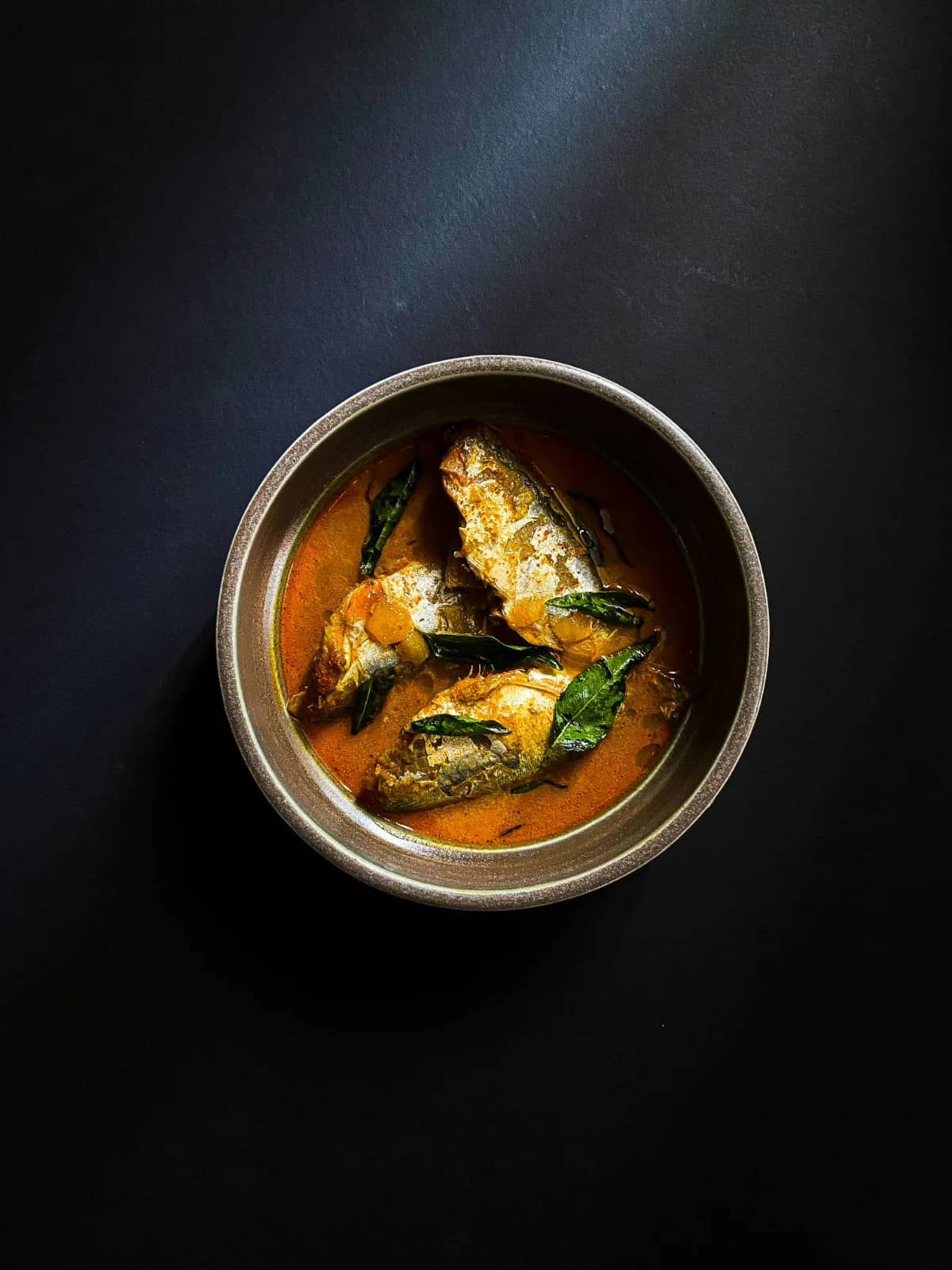
Kovalam's most famous food is its fresh seafood, sourced daily from the Vizhinjam fishing harbour less than 2 km from Lighthouse Beach. The standout local dishes are Kerala fish curry cooked in coconut milk with kudampuli (Gamboge), Karimeen pollichathu (pearl spot fish grilled in banana leaf), and Kappa with meen curry (tapioca with spiced fish gravy).
The proximity to an active fishing harbour means the seafood in Kovalam's restaurants is as fresh as beach-town seafood gets. Tiger prawns, lobster, squid, crab, and a rotating selection of local reef fish appear on almost every menu within walking distance of the water. Prices are reasonable by international standards and comparable to what you would pay in Thiruvananthapuram city.
Traditional Kerala breakfast dishes are worth seeking out before the beach-road restaurants open their seafood menus. Puttu (steamed rice flour and coconut cylinders) with Kadala curry (black chickpea gravy) and Appam (fermented rice pancakes) with vegetable stew are available from small local spots near the market lane from around 7:00 AM.
The international food influence from five decades of European visitors also shows. Several restaurants along Lighthouse Beach serve competent versions of Israeli shakshuka, continental breakfasts, wood-fired pizza, and pasta alongside their Kerala menus. This is not fusion, the kitchens simply run parallel menus. Travellers who need a break from spice have options without walking far.
6. A base for the southern Kerala region
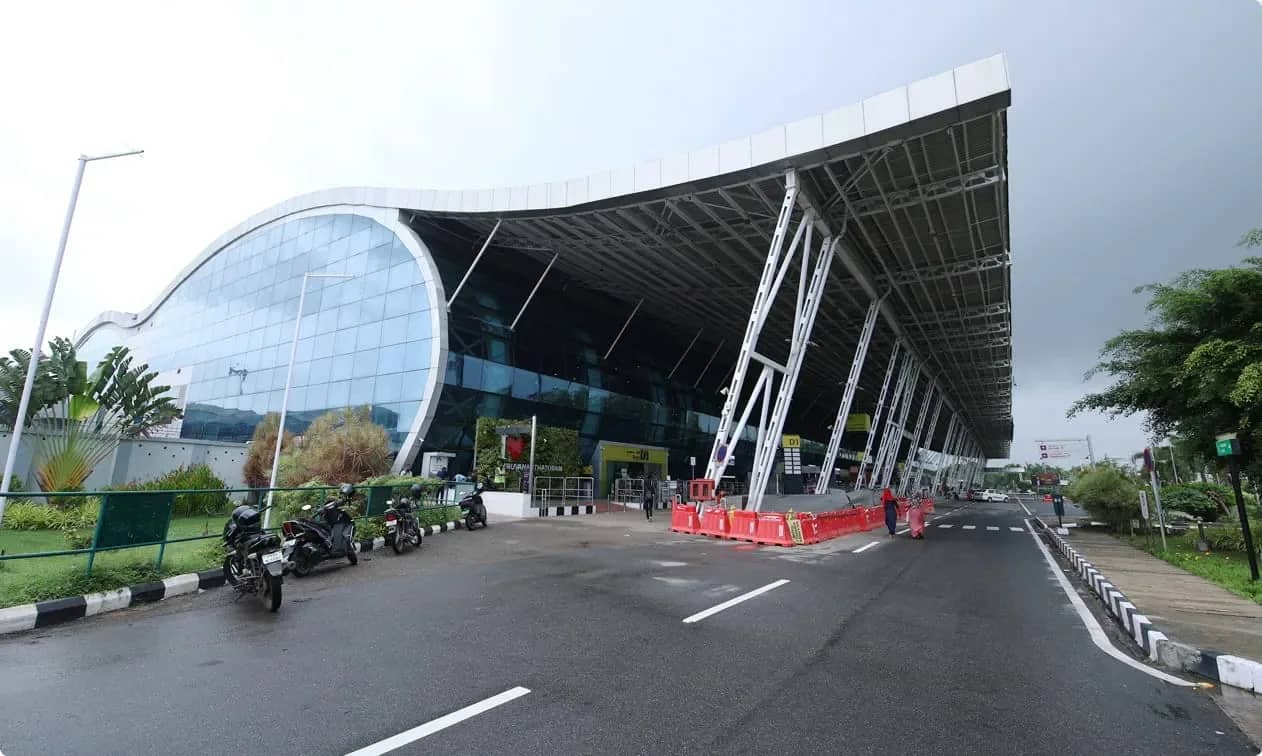
Kovalam is 16 km from Thiruvananthapuram city centre, 10 km from the international airport, and within 35 km of several significant cultural and natural sites in southern Kerala. Most visitors use it as a base rather than a single-point destination.
The Padmanabhaswamy Temple in Thiruvananthapuram, one of India's wealthiest Hindu shrines and a UNESCO-recognized heritage site, is a 35-minute drive. The Vizhinjam Rock Cut Cave Temple, an 8th-century shrine to Lord Shiva carved from a single granite outcrop, is 1.5 km from Lighthouse Beach and takes under 30 minutes to visit.
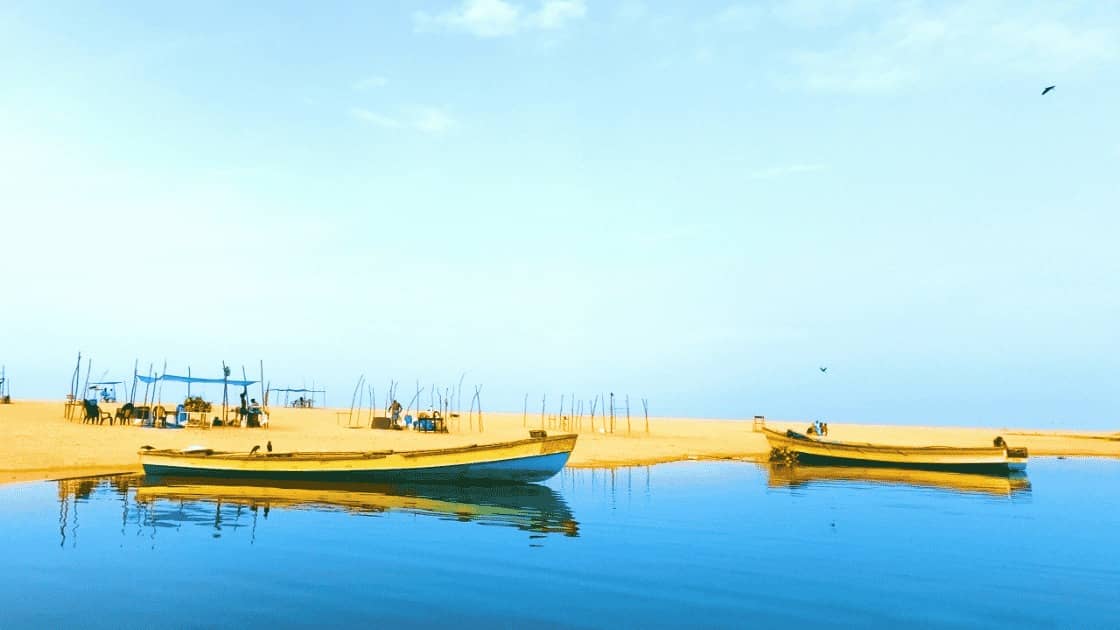
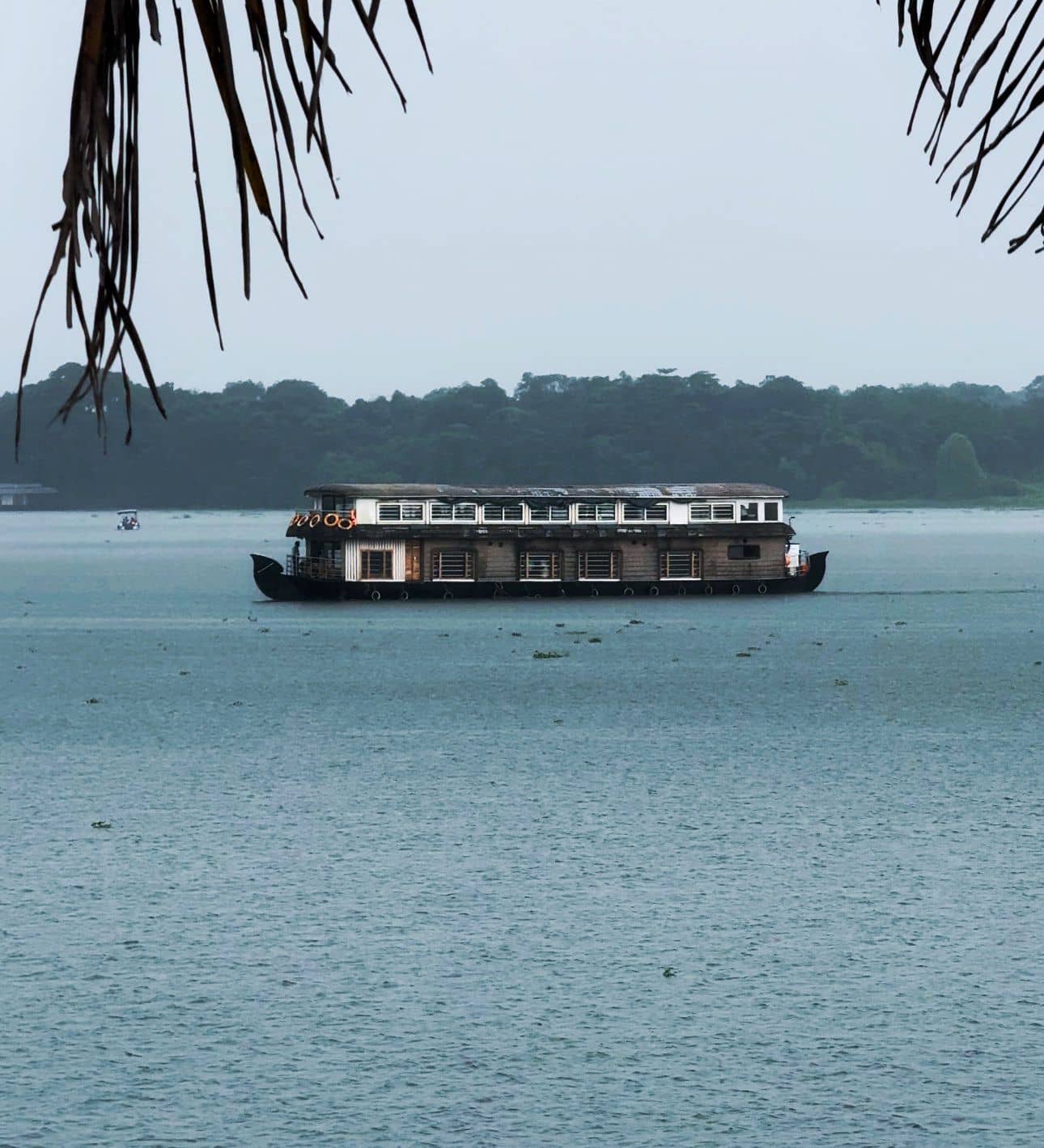
Poovar, 15 km south of Kovalam, is where the Neyyar River meets the Arabian Sea. Boat rides through the Poovar backwater estuary and onto an isolated sand beach are among the more memorable experiences accessible on a day trip from Kovalam. You can book a Poovar boating experience on Cruoo to add it to your itinerary.
Neyyar Dam and Wildlife Sanctuary, 32 km to the east, holds leopards, elephants, lion-tailed macaques, and a crocodile park, a contrast that surprises many visitors who did not expect a wildlife experience this close to a beach resort.
7. Water sports, Kathakali, and the things that happen at the edges of the day
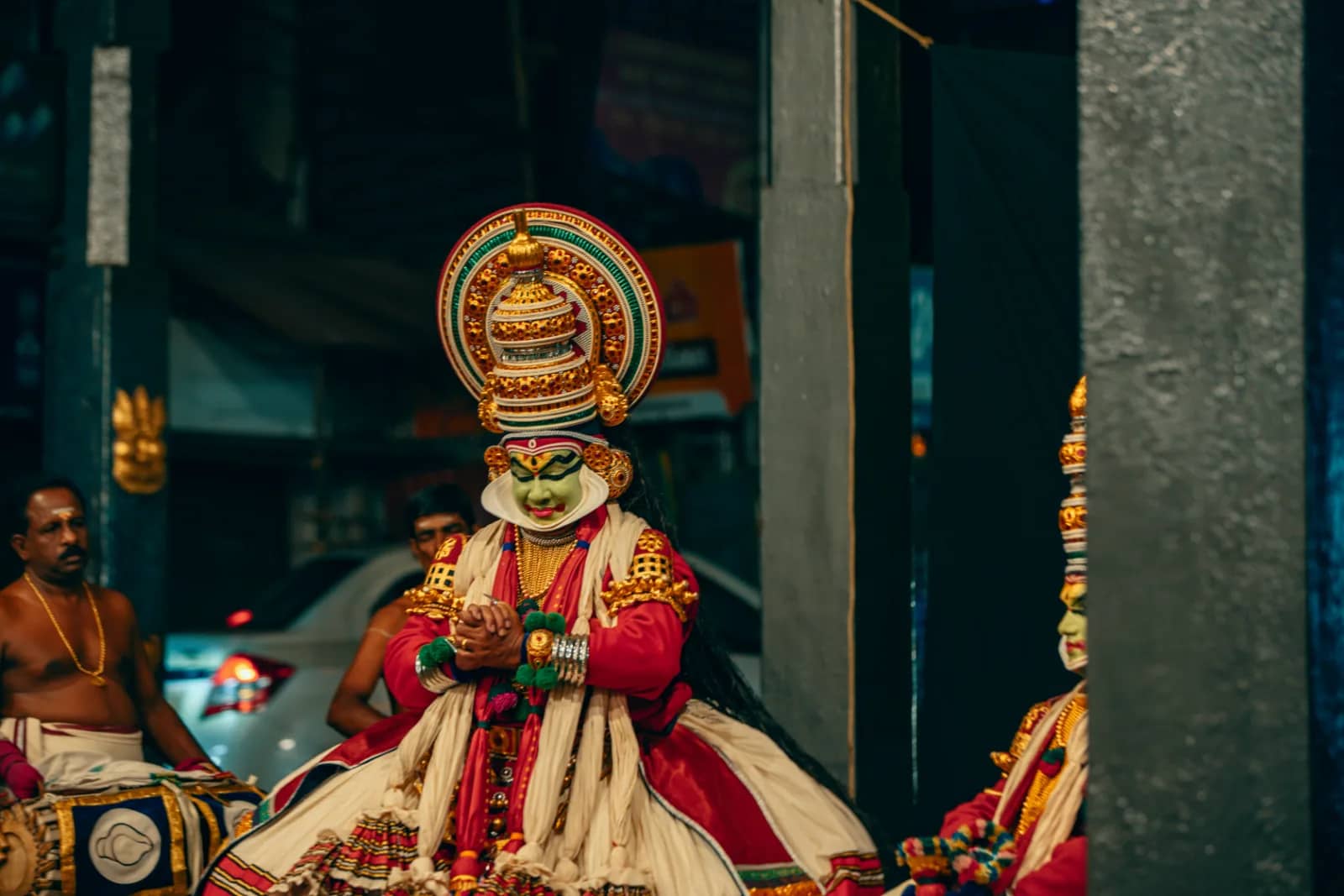
Kovalam's water sports season runs from November to March, when the Arabian Sea is calm enough for parasailing, surfing, catamaran rides, and snorkelling. Kathakali dance performances and Kalaripayattu martial arts demonstrations are held most evenings at cultural centres near the beach, with tickets typically priced between ₹150 and ₹300.
The beach itself has two distinct rhythms. In the early morning, Hawa Beach belongs to the fishermen launching boats. By 8:00 AM, the first swimmers and walkers arrive. Between 10:00 AM and 4:00 PM, sunbathers, swimmers, and the water sports operators dominate. From 5:00 PM onward, the attention shifts west toward the water as Lighthouse Beach becomes one of the better sunset-watching spots on the Kerala coast. The lighthouse beam starts its 15-second cycle at dusk.
The evenings on Lighthouse Beach run longer than most Indian beach towns. Restaurants stay open past midnight and beachside music carries into the early hours, a direct inheritance from the backpacker era that never fully faded.
When to visit and what to expect
November to February is Kovalam's peak season. Temperatures stay between 20°C and 30°C, rainfall is minimal, water sports are fully operational, and the beaches are at their most active. October and early November are worth considering for lower crowds, post-monsoon greenery, and hotel rates 20 to 30 percent below peak pricing.
The monsoon from June to September brings rough seas that make swimming inadvisable and close most water sports operators. Ayurveda resorts, however, consider this their best season. The humidity enhances oil absorption and most resorts run their residential programmes at full capacity from July onward.
Summer from March to May is hot, with temperatures reaching 33°C and humidity rising noticeably. Tourist numbers drop and hotel rates fall. The beach is largely uncrowded, which appeals to visitors who find the peak season too busy.
Peak season means the airport, beach road, and popular restaurants get congested. Hotel bookings from December to January require two to three weeks of advance notice at minimum for mid-range properties, and longer for resorts on Samudra Beach.
At a Glance
| Category | Details |
|---|---|
| Location | 16 km south of Thiruvananthapuram, Kerala |
| Nearest Airport | Thiruvananthapuram International Airport — 10 km |
| Nearest Railway Station | Nemom Railway Station — 10 km |
| Main Beaches | Lighthouse Beach, Hawa Beach, Samudra Beach |
| Lighthouse | Vizhinjam Lighthouse — Built in 1972, 36 metres tall, ₹20 entry fee |
| Peak Tourist Season | November to February (20°C–30°C) |
| Ayurveda Season | June to September |
| Water Sports Season | November to March |
| Best For | Beach holidays, Ayurveda treatments, seafood, and day trips across southern Kerala |

Written by
Aswathy Kumar · Travel Enthusiast
Aswathy is a travel enthusiast and a Geography graduate based in Trivandrum, Kerala. She has a strong interest in local tourism, culture, and sustainable travel experiences.
Explore Islands, Mangroves & Beaches
Poovar Boating Cruises Starting at Just ₹1,199/-
Book Poovar backwater cruises online at transparent rates and enjoy a hassle-free experience with Cruoo.
Check Availability