Poovar
5 Things That Make Poovar Boat Ride Unique
Poovar stands out from other Kerala backwater destinations because a single boat ride combines five rare attractions: the Neyyar River, a coastal lagoon, the Arabian Sea, a golden sand beach, and rich migratory bird habitats.
On this page
Kerala has backwater destinations up and down its 580-kilometre coastline. Alleppey, Kumarakom, and Kollam has its own version of boat rides on palm-fringed water. So why does Poovar get a separate conversation? Because what happens here cannot be replicated anywhere else in the state.
Here are the five things that make Poovar boating special from other tourist places.
1. The Only Triple Confluence in South Kerala
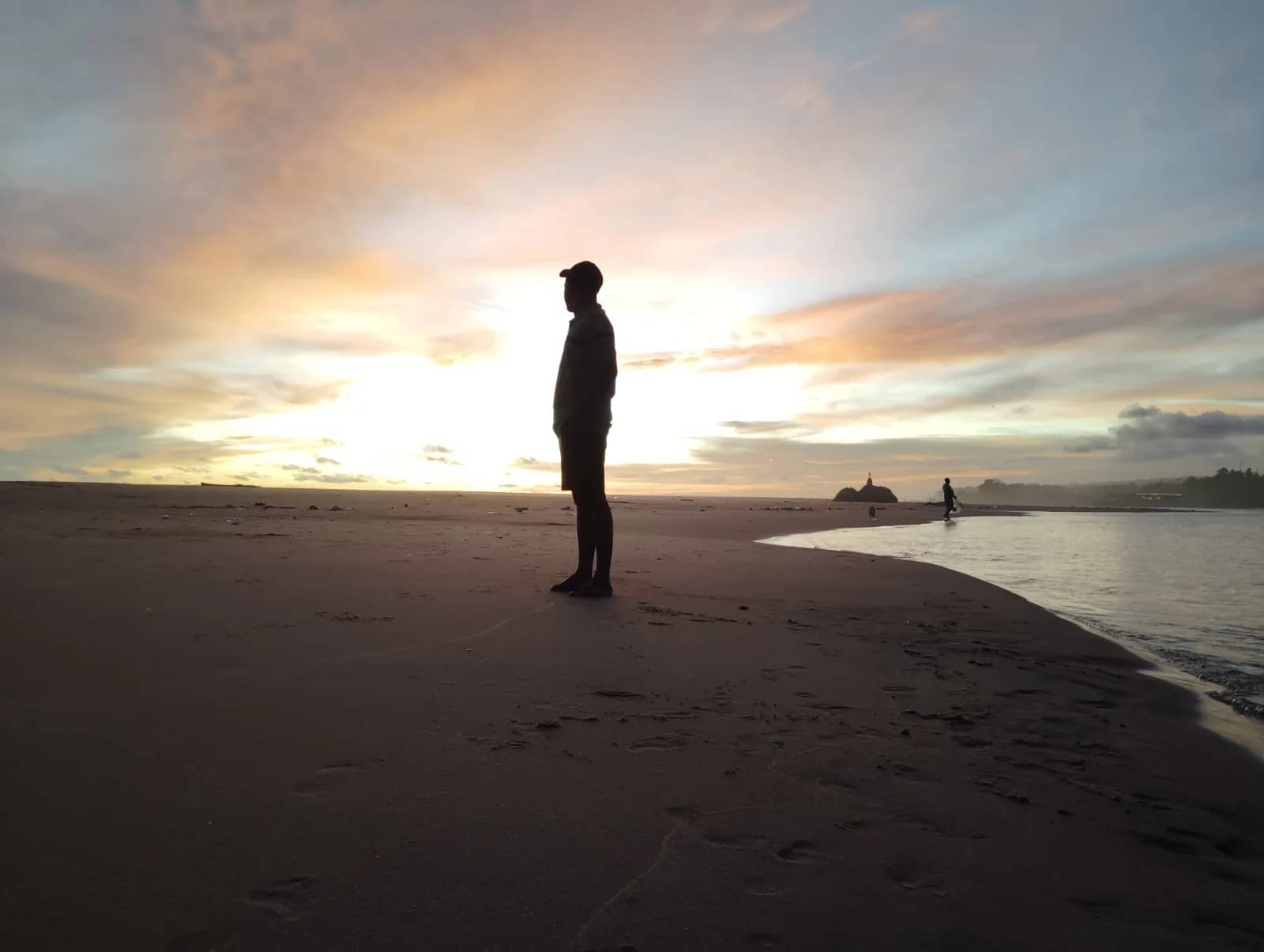
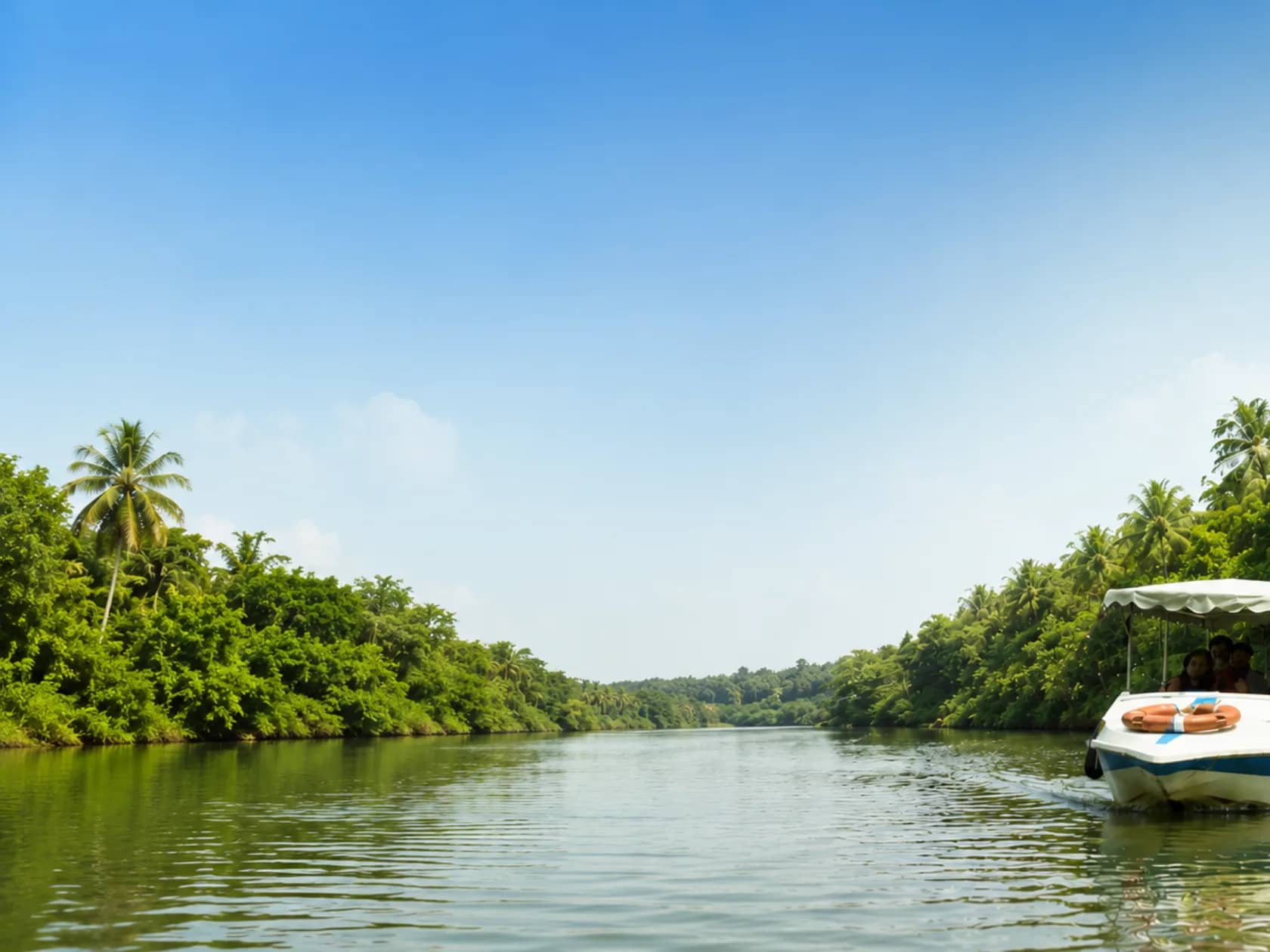
Most Kerala boating destinations offer either river water or backwater lagoon. Poovar boating offers three distinct water environments within a single journey: the Neyyar River (freshwater), the Poovar backwater lagoon (brackish), and the Arabian Sea (saltwater). The boat physically passes through all three within 90 minutes.
This triple-water geography is not a tourism marketing concept. It is a verifiable geographic feature. The Neyyar River's descent from the Western Ghats meets the flat coastal plain at Poovar, fans into a protected estuary, and meets the sea. Three water types. One journey.
2. A Golden Sand Beach That Floats Between Two Worlds
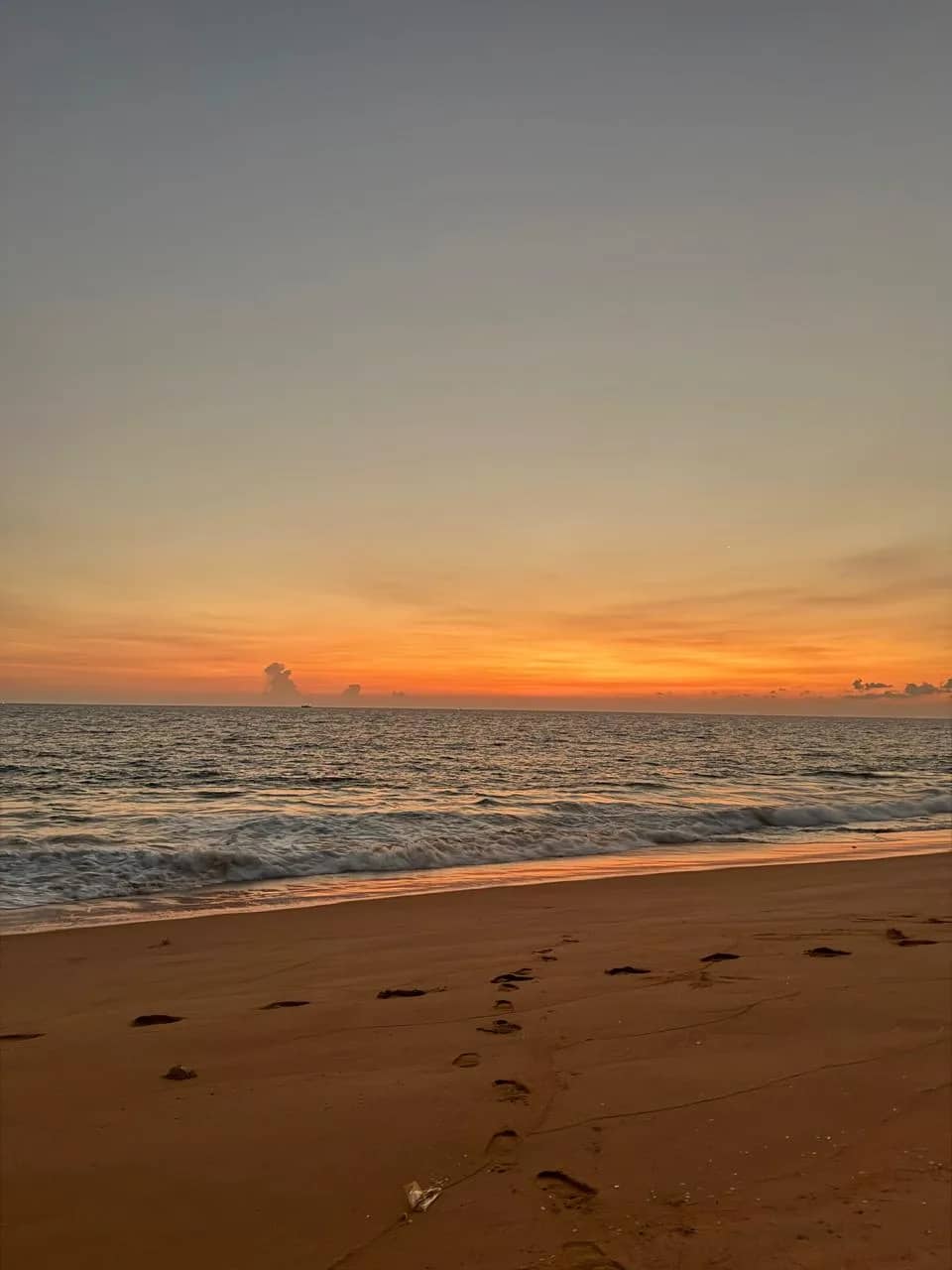
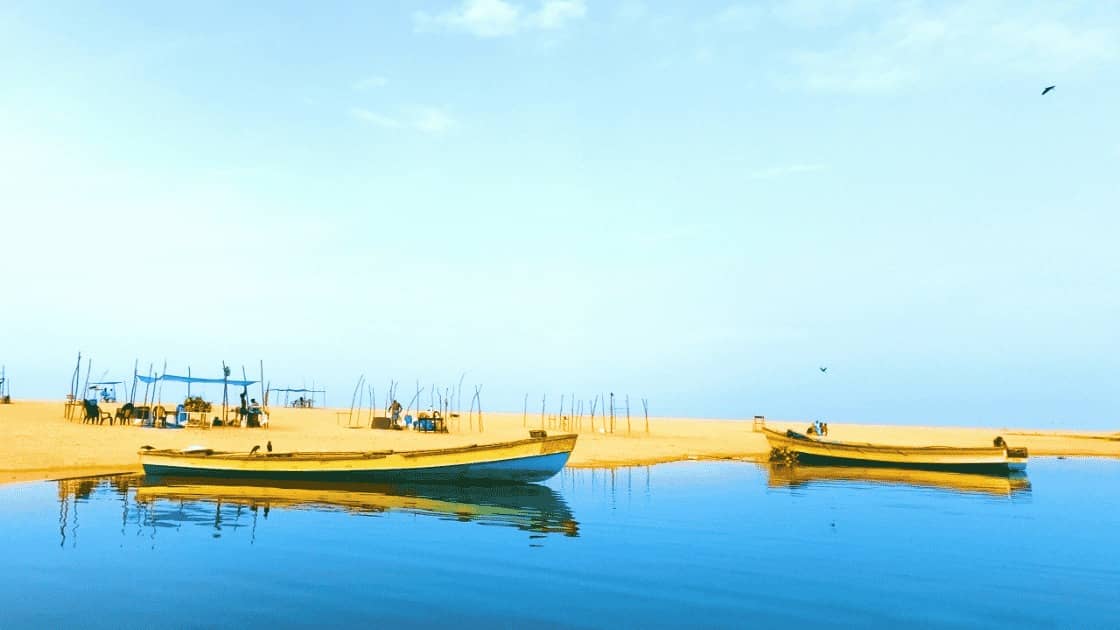
At the end of every Poovar boat journey is Poovar Island, a narrow strip of golden sand no wider than 50 metres at most points, separating the calm backwater on one side from the open Arabian Sea on the other. You can stand on this beach and put your hands in two completely different bodies of water simultaneously.
During low tide, you can walk along the sand spit for several hundred metres. During high tide, portions of it submerge. It is ephemeral geography with a beach that shifts with the seasons. This is something no other tourist site in Thiruvananthapuram district offers.
3. Mangrove Tunnels at Eye Level
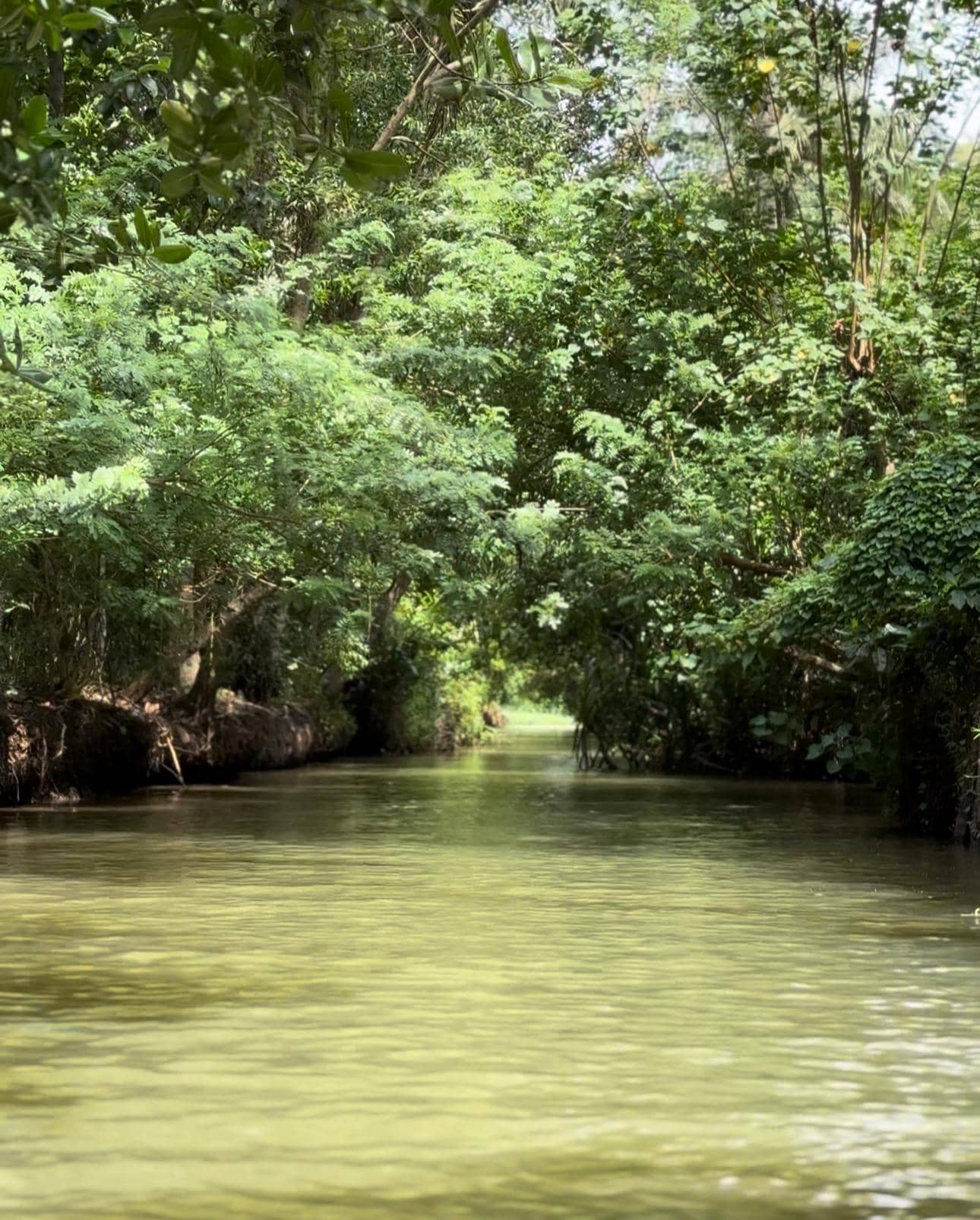
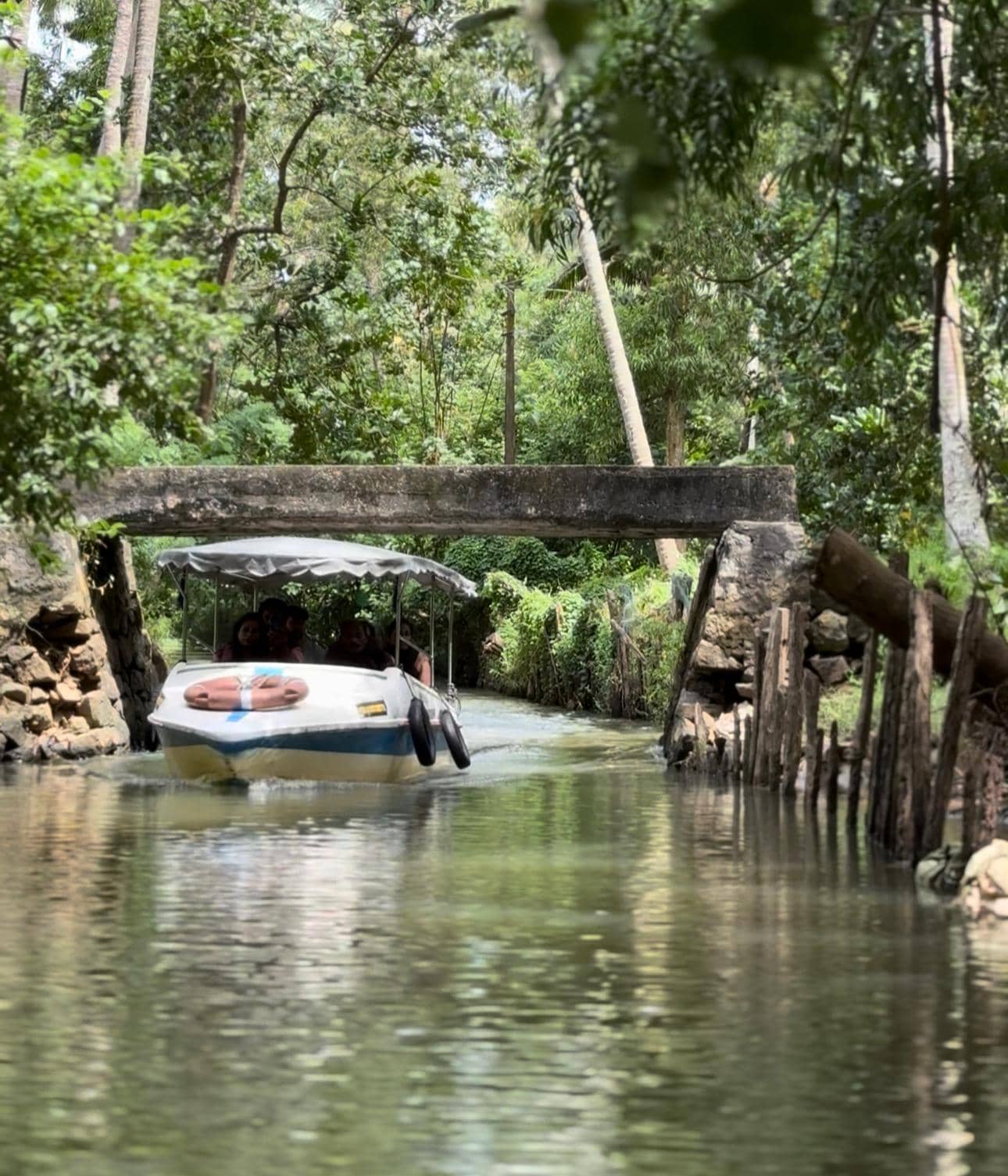
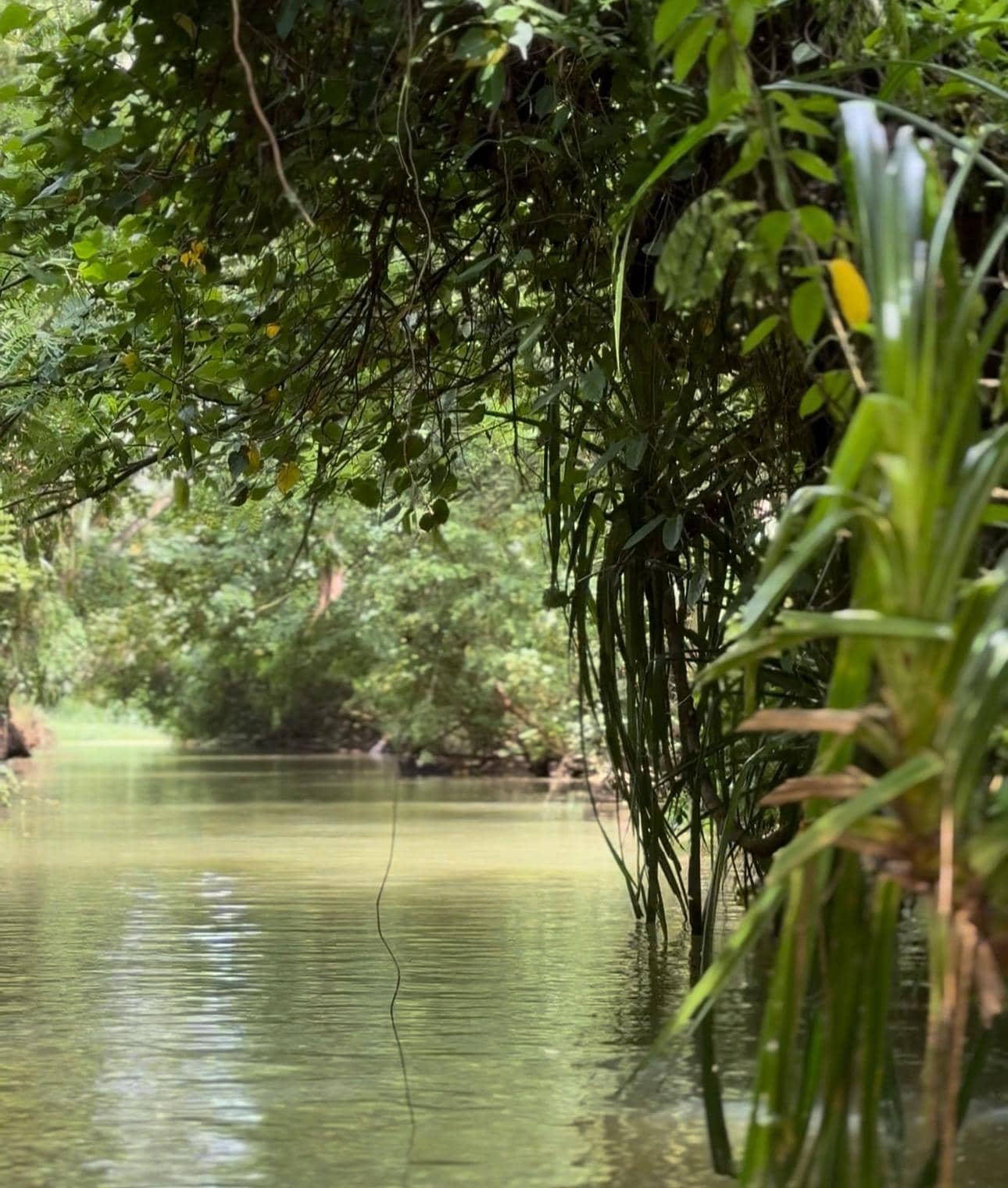
The mangrove channels at Poovar are narrow enough that the boat passes within arm's reach of the mangrove roots on both sides. This is not like watching mangroves from a wide river channel. The canopy closes over the boat in places, creating a green tunnel effect. Kingfisher birds which perch at the waterline on mangrove roots can be as close as two to three metres from passengers.
Alleppey's famous houseboats travel wide canals with open skies. Poovar's motor boats move through enclosed, intimate waterways. The scale is entirely different.
Explore Islands, Mangroves & Beaches
Poovar Boating Cruises Starting at Just ₹1,199/-
Book Poovar backwater cruises online at transparent rates and enjoy a hassle-free experience with Cruoo.
Check Availability4. Winter Bird Migration You Can Watch From a Boat
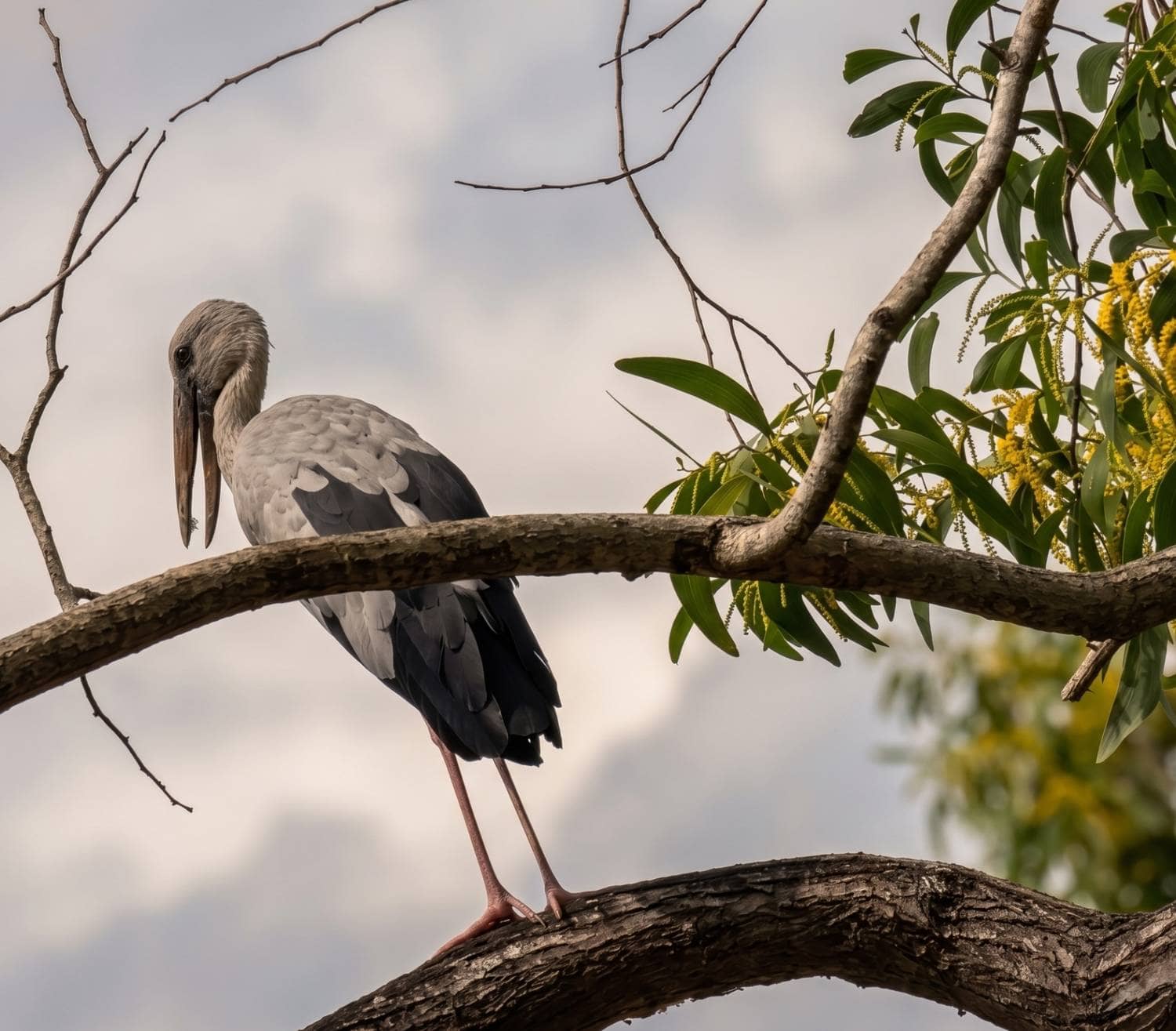
Between October and February, Poovar's mangrove and backwater ecosystem receives migratory birds from Central Asia, Siberia, and the Himalayan foothills, this is the best time to visit Poovar Island. Species including the Bluethroat, Common Sandpiper, Little Stint, and various waders use the Poovar estuary as a wintering ground.
The boat routes pass directly through the feeding and roosting areas of these birds. On a quiet shikara ride in December, it is not unusual to count 15 to 20 distinct bird species within a single hour. Poovar is not marketed as a birdwatching destination but among Kerala birdwatchers, it is an open secret.
5. The Arabian Sea Reveal at the Journey's End
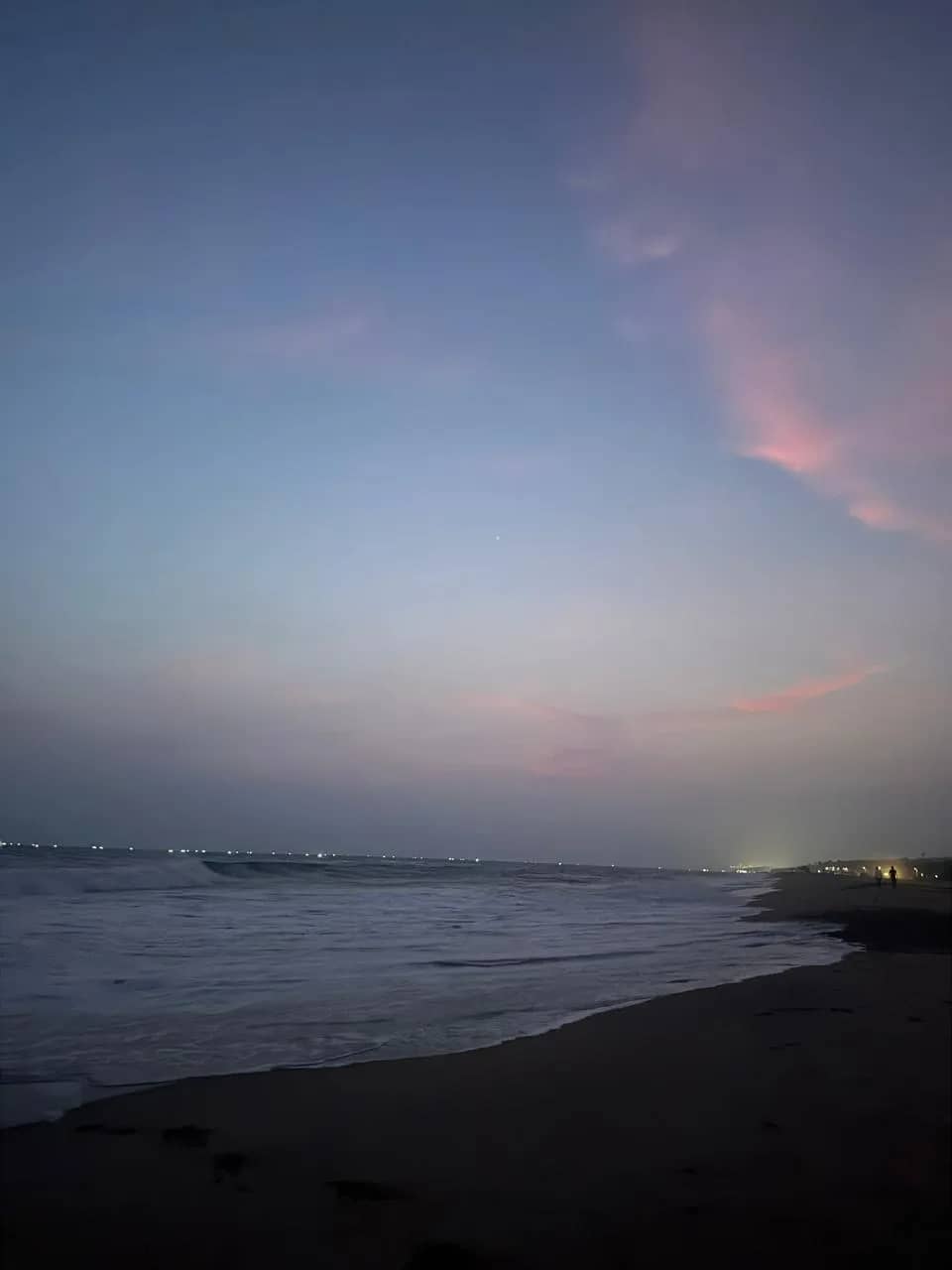
Every Poovar boat journey is structured (consciously or not) like a story with a reveal at the end. You begin in the narrow, enclosed world of the mangroves. The channel opens into the wider lagoon. Then the boat moors at the island beach and suddenly, beyond the sand, the full width of the Arabian Sea stretches to the horizon.
After 60 to 90 minutes in the enclosed, protected waterway, the contrast is dramatic. The open ocean, the sound of waves, the wind -these are deliberate sensory shift. No other Kerala boating route has this structure: enclosed to open, calm to ocean, river to sea.
FAQ
Is Poovar better than Alleppey for backwater boating?
What is the Poovar estuary beach made of?

Written by
Sherin Stephen · Trivandrum
Born and raised in Trivandrum. Loves to travel — long weekends, short trips, the occasional unplanned detour. Shares the odd note here when something is worth passing on.