Kovalam
10 Best Things to Do in Kovalam: The Ultimate Kerala Beach Experience Guide
Kovalam is best experienced through its Ayurveda treatments, sunrise fishing scenes, fresh Vizhinjam seafood, beach yoga, local shopping, and sunset views and two relaxed days are enough to enjoy it all.
On this page
Living in Kovalam means waking up to the rhythm of the Arabian Sea and the scent of roasting spices carried on the coastal breeze. When travelers ask me about the best things to do in Kovalam, I always tell them to look beyond the standard tourist checklists.
Kovalam isn't just a destination, it's a sensory experience defined by its three crescent-shaped beaches, its status as the Ayurvedic capital of the coast, and its deeply relaxed culture. If you are wondering what to do in Kovalam Kerala to truly connect with the destination, you've come to the right place. Skip the generic attraction lists.
This guide covers the 10 best things to do in Kovalam beach, Kerala. Not the 10 most Instagrammed. The 10 that will make your time here feel real.
This guide is for: First-time visitors, short-stay travellers, and anyone tired of generic Kerala beach content.
Quick Answer: What Are the Best Things to Do in Kovalam?
The best things to do in Kovalam are getting an Ayurveda treatment at a proper inland centre, watching the fishing catch come in at Samudra Beach at sunrise, attending a Kathakali performance in the evening and, eating fresh seafood near Vizhinjam harbour.
Also, shopping for spices and handlooms in the market lanes, doing yoga at sunrise on the beach, and watching the sunset from the promenade as the lighthouse beam sweeps the water. Two full days covers all of it without rushing.
1. Ayurveda: The Real Kovalam Experience
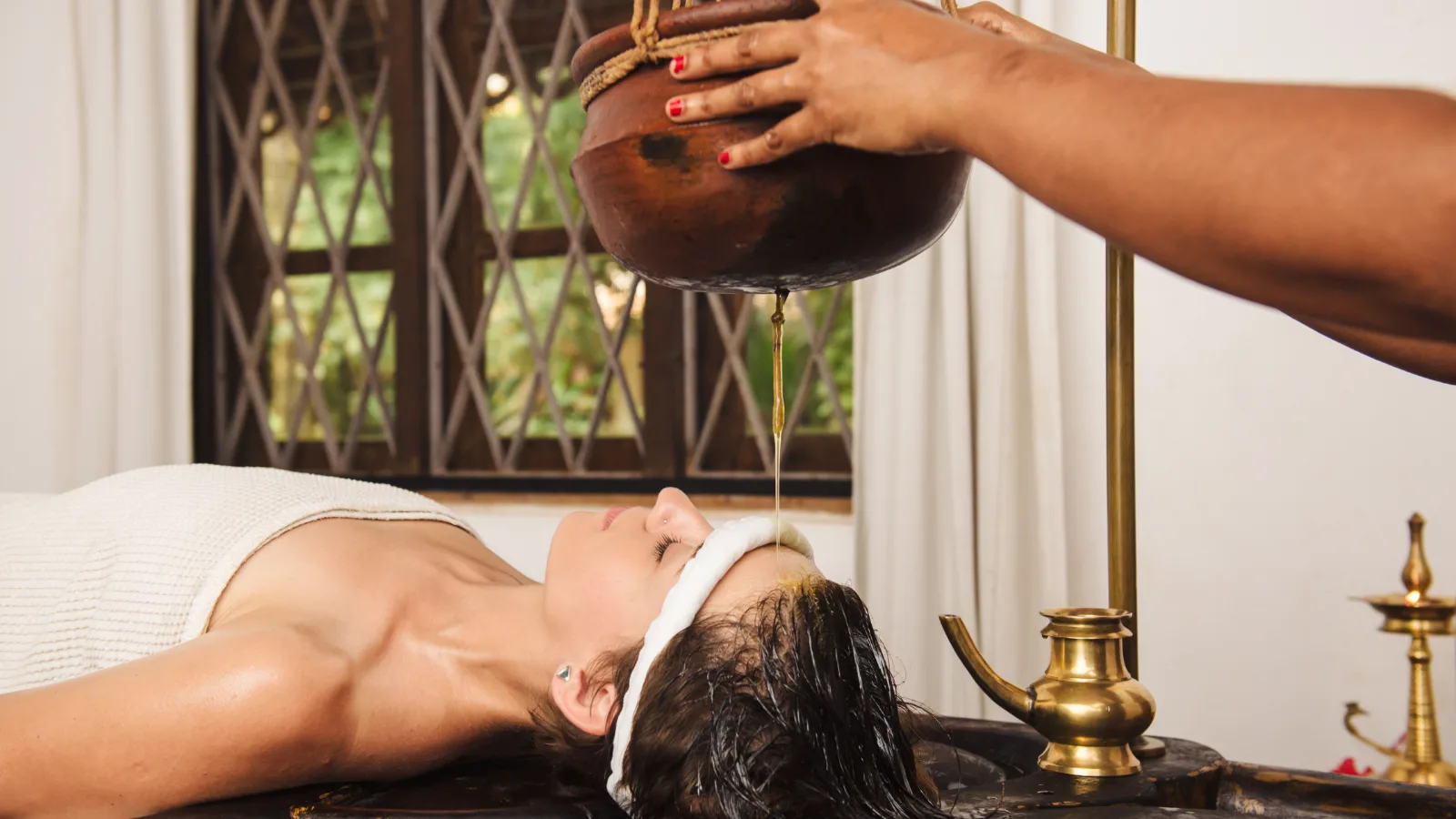
When people ask, "What is Kovalam famous for?", my immediate answer is always Ayurveda. Kovalam's reputation as a wellness destination is earned, but only if you choose the right kind of Ayurveda. Choose badly and you will spend ₹3,000 on a rushed oil massage from someone who has never met a BAMS doctor. Choose well and you will leave understanding why people fly here from Slovakia seven times.
The core distinction is between beach-strip walk-in centres and established inland or resort-attached Ayurveda facilities. Beach-strip centres are convenient and heavily marketed. Many are also commercial with variable therapist quality, no real medical oversight, and a sales funnel dressed up as a wellness experience.
What a legitimate Ayurveda experience looks like:
A BAMS-qualified doctor consults with you before any treatment is decided. The plan is built around your constitution and your specific needs, not around what package is on promotion. The oils are warm, sourced from known suppliers, and the therapist has been trained to use them correctly. The session is long enough to have an actual effect. You leave with guidance on food, rest, and follow-up not a discount voucher.
What to avoid:
Walk-in centres with touts at the entrance. Centres offering no medical consultation. Packages priced suspiciously low with promises priced suspiciously high. Constant upselling during or after the treatment.
Honest note on duration: Practitioners consistently say 7-day Panchakarma programmes produce real results. 1 to 3-day sessions are relaxation, not treatment. Both are valid, know which you are booking.
For visitors who want yoga without the full Ayurveda commitment, Yogadarshan on Lighthouse Beach has offered daily hatha yoga classes for beginners and advanced students since 2011. It is accessible, consistent, and genuinely good.
Some recommendations of Ayurvedic institutions on Kovalam:
The institutions that get consistent, serious praise are the ones slightly removed from the tourist strip. Somatheeram Ayurveda Group near Chowara, a few kilometres south of Kovalam, is the most frequently cited name in genuine traveller accounts described not as a resort holiday but as a place where accumulated stress is slowly undone over a week of structured treatment, personalised consultations, and Ayurvedic meals.
Kairali Ayurvedic Healing Village is praised for building programmes around the individual rather than a fixed menu. Veda5 Wellness Retreat is recommended for holistic, authentic retreats rather than piece-together spa experiences.
2. Try Adventure Activities: Surfing, Sailing, and Parasailing
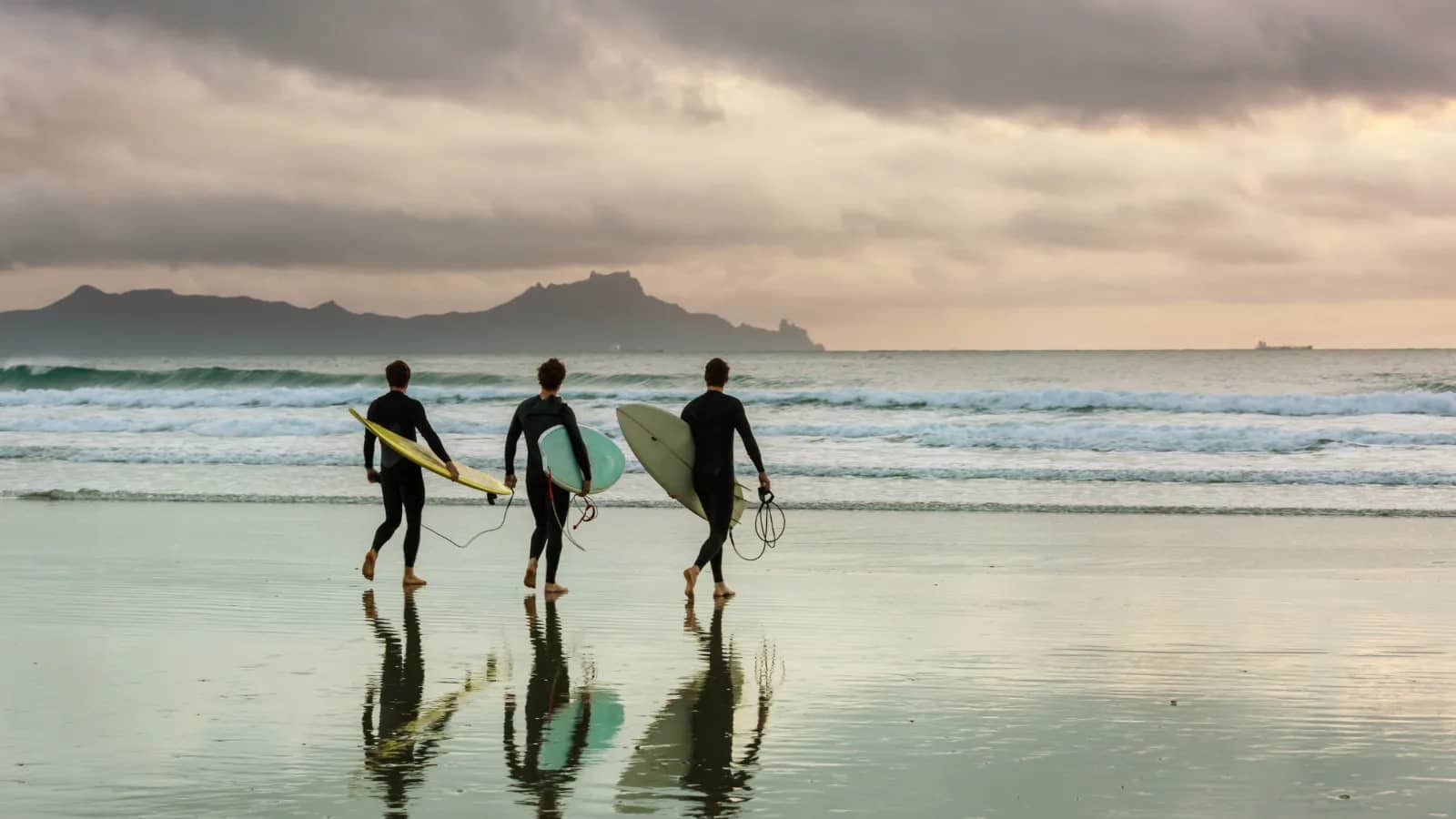
If you are looking for an adrenaline rush, you might wonder, "What are the adventure activities in Kovalam?" While it's not an extreme sports hub, the gentle, rolling waves of the Arabian Sea offer fantastic water-based experiences.
Head down to the beach in the morning to try speed boating. Feeling the wind catch the sails as you glide over the calm waters is incredibly therapeutic. For beginners, the shallow waters near Lighthouse Beach are perfect for surfing lessons.
If you want a bird's-eye view of the crescent coastline, book a parasailing session. It's a thrilling way to see the sheer beauty of the coast from above.
3. Take Scenic Beach Walks and Capture Sunset Photography
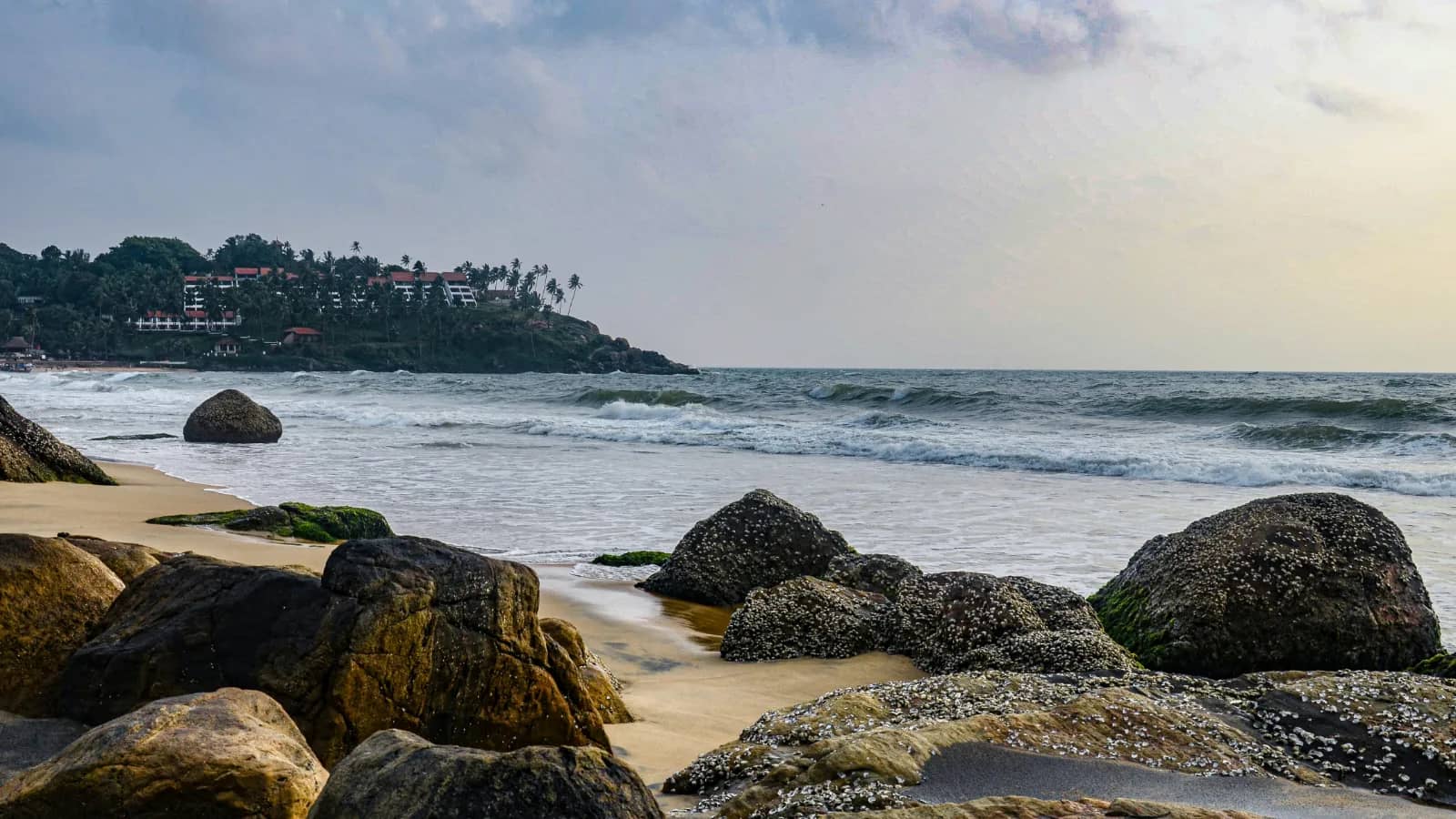
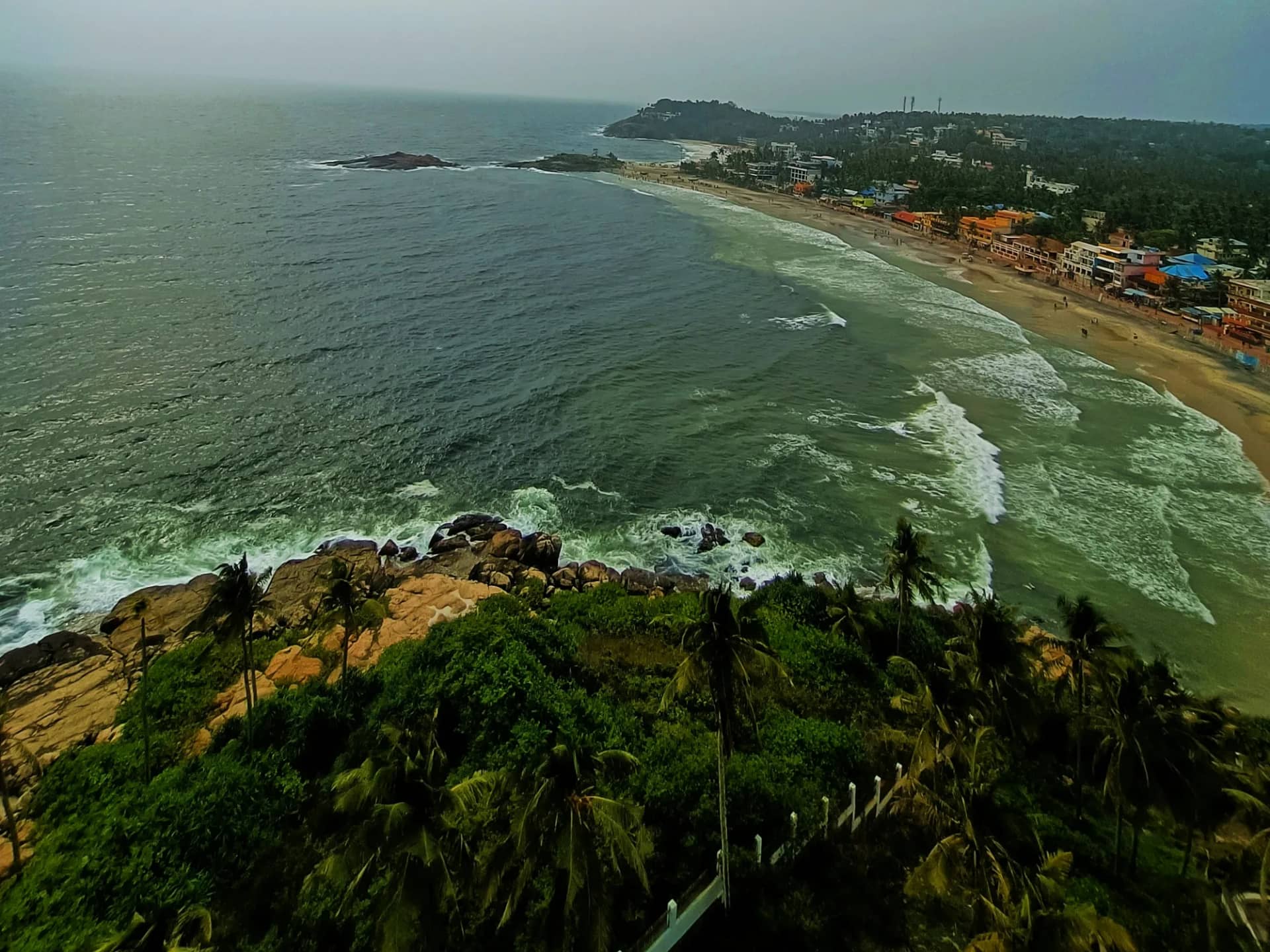
Walking the shoreline is arguably the most peaceful of all kovalam beach things to do. Kovalam's coastline is uniquely divided into three crescent beaches, and each offers a different vibe for your evening stroll.
Is sunset visible in Kovalam Beach? Absolutely. In fact, the sunsets here are legendary. The Arabian Sea acts as a massive canvas, painting the sky in surreal hues of gold, violet, and crimson. Grab your camera during "golden hour," find a spot near the rocky outcrops, and capture the magic.
Golden hour at Kovalam runs from approximately 6am to 7:30am and 5:30pm to 7pm. Outside these windows, the light is flat and harsh. Inside them, the coastline transforms.
Where to be and when:
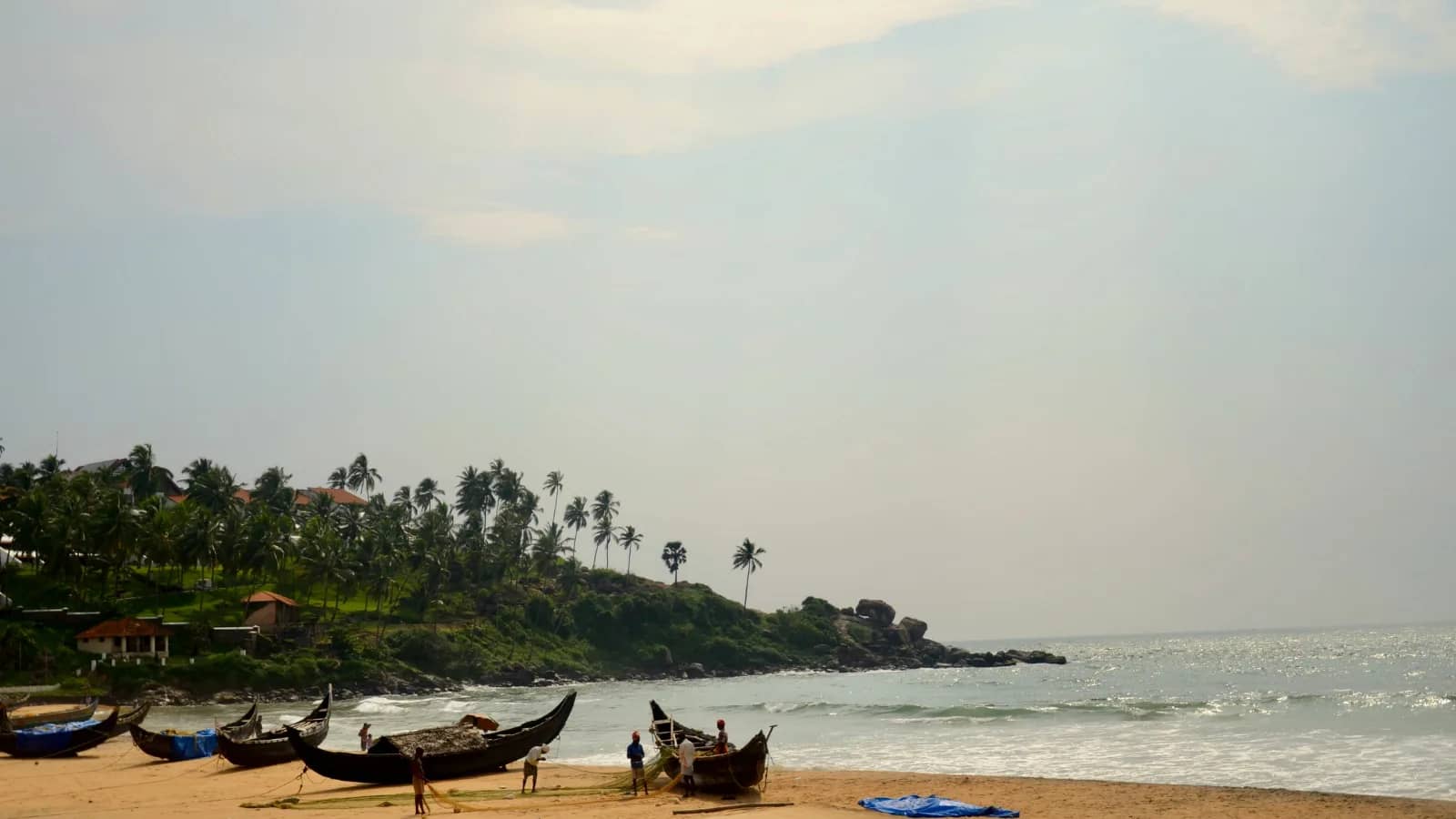
Samudra Beach at sunrise (6am-7:30am): The most honest photography available in Kovalam. Fishermen, boats, hauled nets, sorted catch real subjects in real light. Nothing is staged. No tourist infrastructure in the frame. If you are serious about photography, this is where to start.
Hawa Beach in late afternoon (4:30pm–6pm): The black-and-white sand contrast is subtle in flat light and vivid in raking afternoon light. The beach is less cluttered than Lighthouse Beach. Walk north from the main crescent and find your composition before the light drops.
The lighthouse at dusk: The Vizhinjam Lighthouse anchors the southern end of the beach skyline. Its slow rotation creates a recurring visual rhythm in the evening and the beam sweeps dark water at intervals while people move on the lit promenade below. For long-exposure work, this is a technically interesting opportunity.
Kovalam sunset (5:45pm–7pm in season): The sky over the Arabian Sea at this latitude turns fast into orange, deep pink, then a compressed band of colour at the horizon before the sun drops. Arrive 20 minutes before the published sunset time. The most intense colour lasts about 8 minutes.
The market lane behind the beach at dusk including shop lights, moving people, layers of colour and texture is excellent for street photography that does not feel posed.
4. Eat Fresh Seafood the Way Locals Actually Do
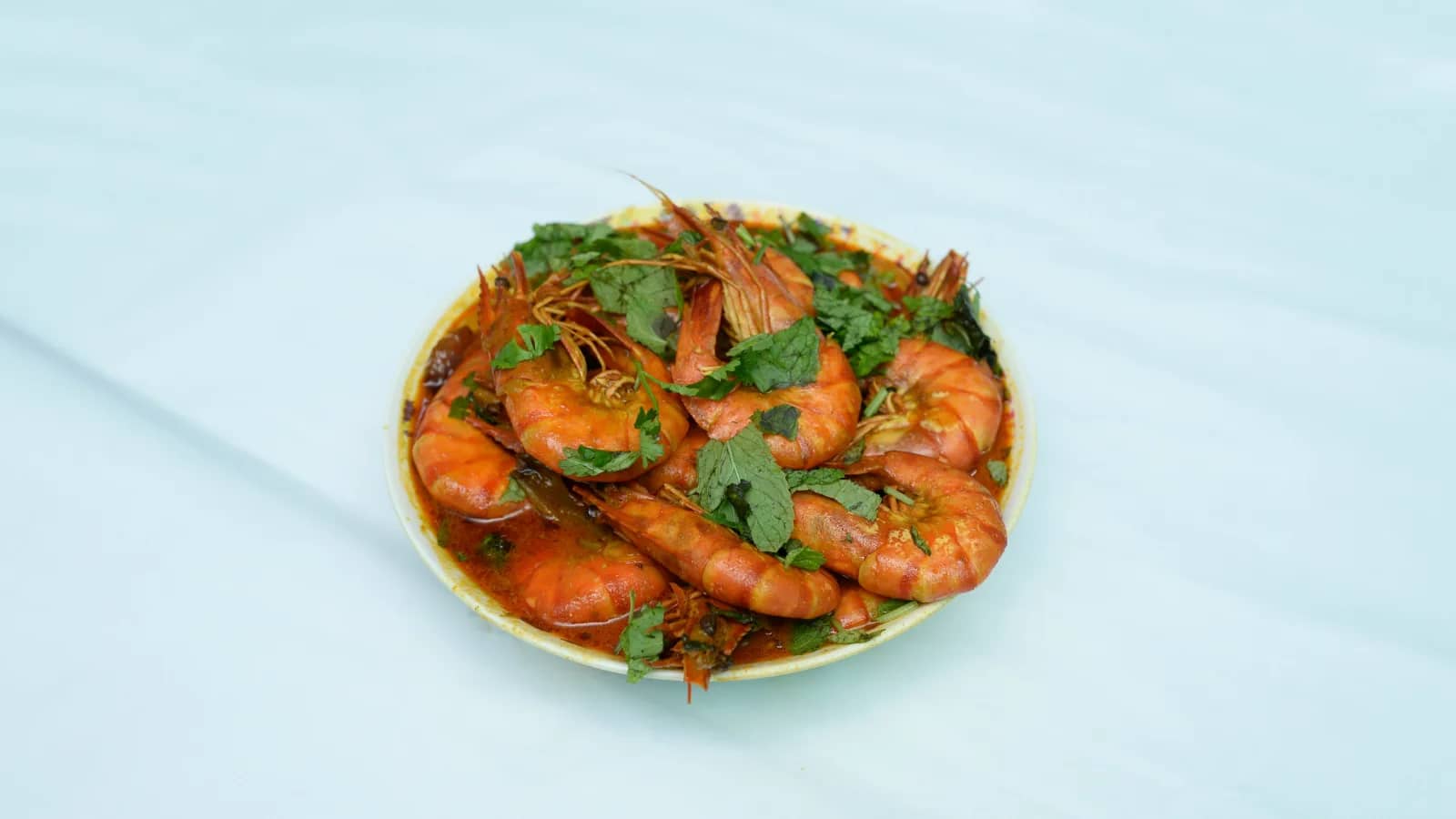
The best seafood meal you will eat near Kovalam will not be on Lighthouse Beach.
It will be near Vizhinjam harbour, about 2km from the main tourist strip. Vizhinjam is an active fishing port. The restaurants here serve the same catch, often the same morning's catch at prices that reflect what the fish actually cost, not what tourists are assumed to be willing to pay.
For the ultimate seafood feast, locals and seasoned travelers swear by The Lobster Pot. You must try their tiger prawns (the juiciest in Kerala) and wash it down with their famous, chilled "Mango Gold" drink. If you want a great seafood platter with a direct ocean view, Crab Club is a fantastic, reliable choice. For a more upscale vibe, Bait at the Taj Kovalam offers incredible seafood and cocktails with a stunning ambiance.
Craving something beyond fish? Head to The Curry Leaf. It is widely considered the best spot for authentic, non-seafood Keralean cuisine, serving up rich, traditional flavors that will make your taste buds dance.
What to eat in Kovalam - do not leave without trying:
Fish curry with appam is the essential combination. Coconut-milk-based curry, deeply spiced, with a lacy fermented rice pancake. This is the taste of coastal Kerala. Order it at least once.
Chemmeen (prawn) preparations - ask what came in that morning. Fresh Kerala prawns cooked with coconut, curry leaves, and green chillies are a different experience from anything previously frozen.
Crab curry - slow-cooked, rich, eaten with your hands. Ask smaller restaurants where the crabs are sourced.
Toddy with fried fish - toddy is fermented palm wine, mildly alcoholic, local, and genuine. Paired with fresh-fried fish at a non-tourist toddy shop, it is one of the most honest food experiences available here. Ask your hotel or auto driver for a recommendation. The good spots are not on any map.
5. Spend a Morning with the Fishing Villages Nearby
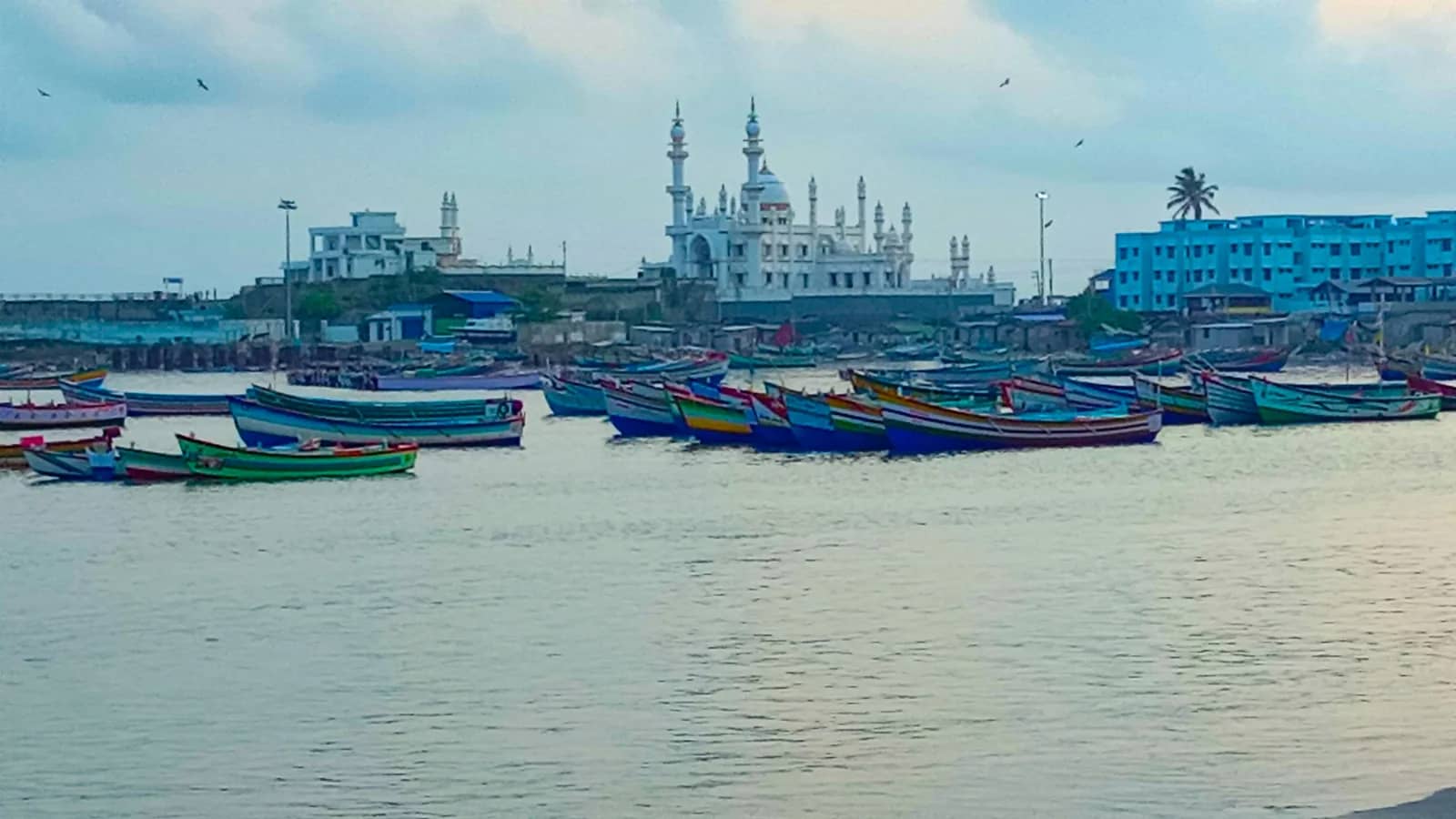
If you only do one thing in Kovalam that no travel blog told you to do, go to Samudra Beach between 6am and 8am.
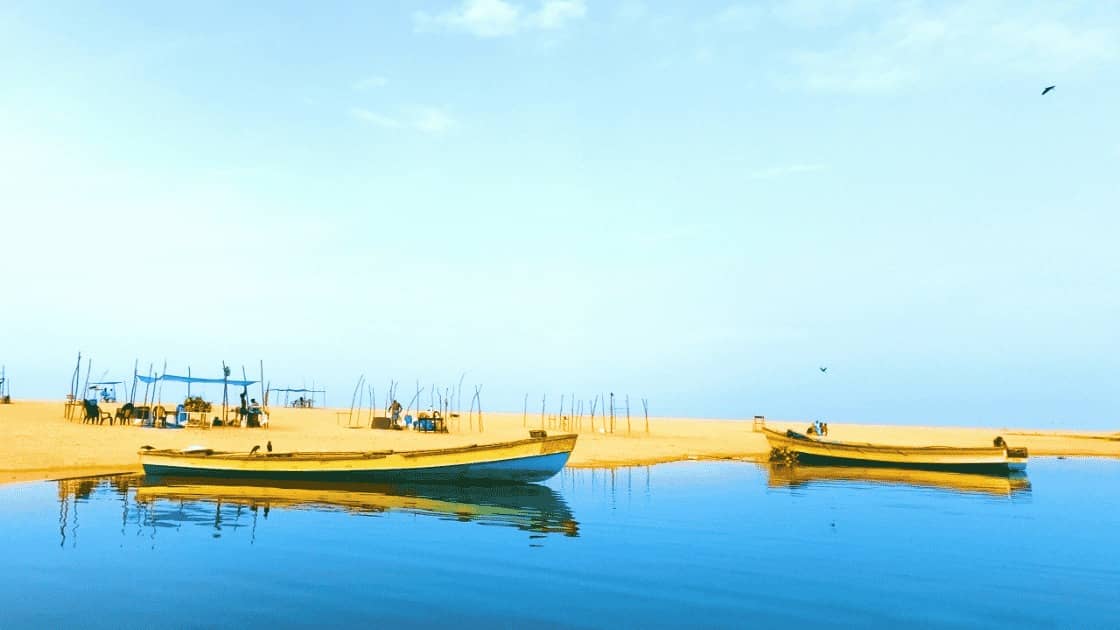
Samudra is Kovalam's third crescent about 1.5km north of Lighthouse Beach, away from the resort strip. No sunbeds. No shacks. No hawkers. What you will find is the working life of a fishing village that has existed here far longer than tourism.
The boats come in around dawn. The nets are hauled in by teams of men pulling in coordinated rhythm, a physical process that takes 20 to 40 minutes depending on the size of the catch. The fish are sorted on the sand by species and size. The air smells of salt and fresh catch. The light at that hour is low and gold.
You can buy fish directly from the fishermen at prices that bear no relationship to what beach shacks charge later in the day. Bring patience. The language barrier is real, but it bridges quickly with gestures and a willingness to stand still and watch.
After Samudra, eat a proper local breakfast on the way back. Puttu and kadala curry steamed rice cylinders with black chickpea curry at a tea stall costs almost nothing and tastes completely different from anything on a beach menu. This is what people in this part of Kerala eat in the morning.
What is special about Kovalam for locals: It is this. The fishing community at Samudra is the soul of the place. The resort strip is just the surface.
6. Yoga at Sunrise on the Beach
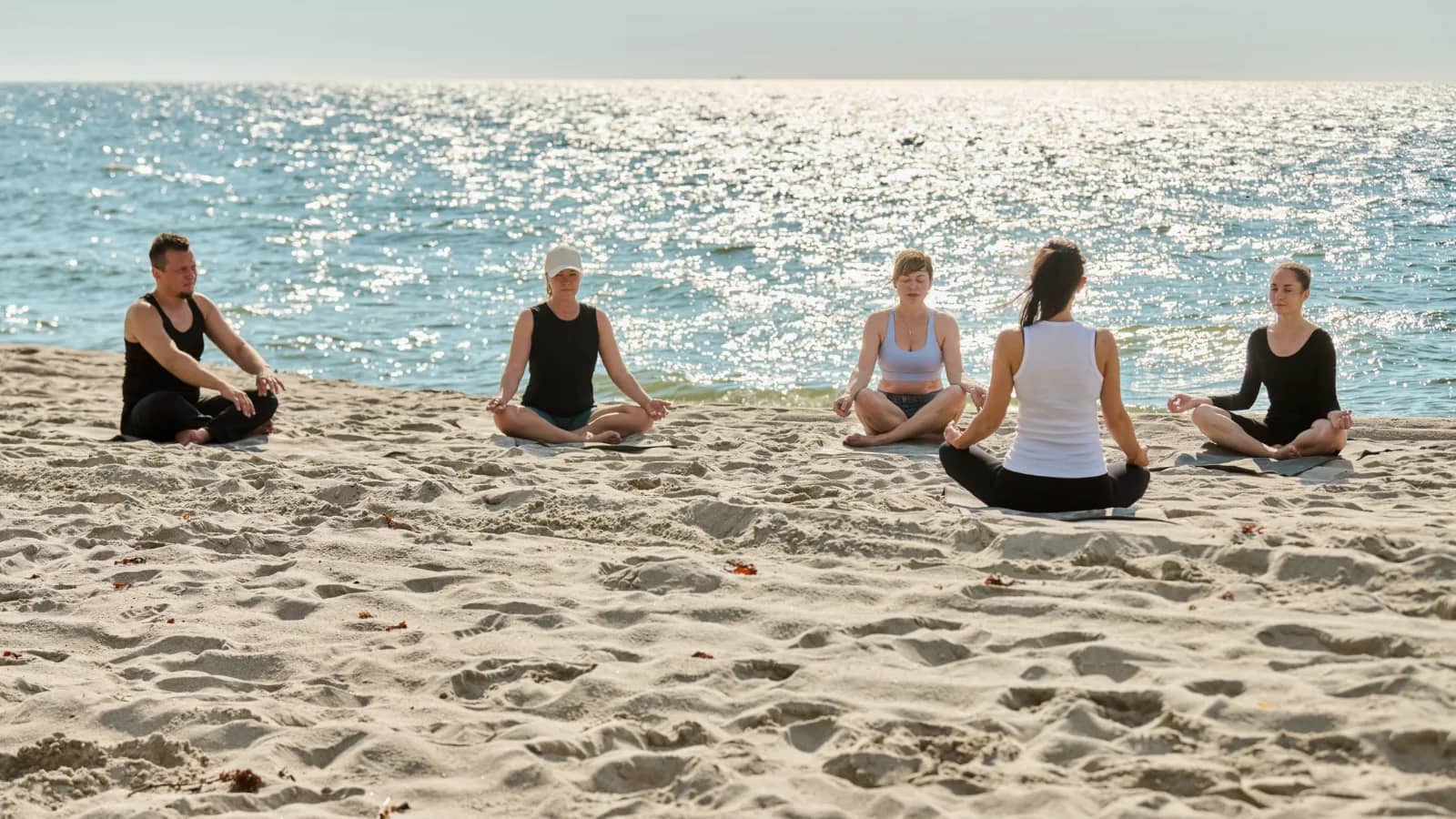
Kovalam has offered yoga as part of its wellness identity for decades, and the practice is genuinely woven into the place, not just packaged for tourists.
Yogadarshan, located directly on Lighthouse Beach and operating since 2011, runs daily hatha yoga classes for both beginners and experienced practitioners. It is the most accessible and consistently recommended yoga option for visitors not staying at a wellness resort. For resort guests, Somatheeram offers traditional hatha yoga led by experienced teachers, and Golden Sand Beach Resort has a dedicated large yoga hall.
The experience of practising yoga at the edge of the Arabian Sea at sunrise with the light coming up over the water and the beach still quiet is something that sounds like a cliché until you are actually doing it. The combination of the physical practice with that setting and that hour is difficult to replicate in a studio.
Practical note: Book or confirm timings a day in advance. Morning sessions fill quickly in peak season (December to February).
7. Watch Cultural Performances: Kathakali and Mohiniyattam
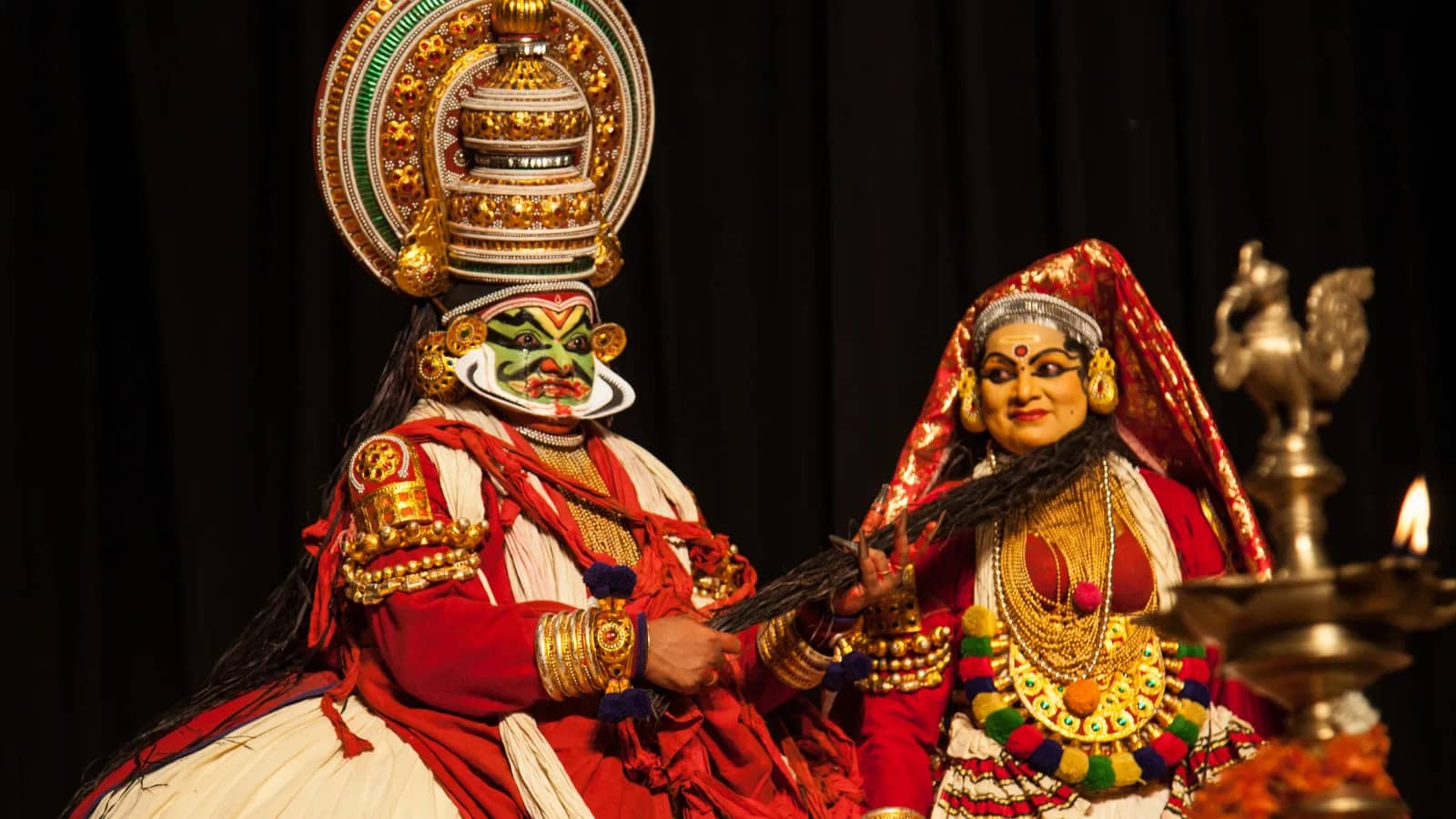
Kathakali is Kerala's classical dance-drama, an art form involving elaborate hand-painted facial makeup applied over two to three hours, ornate costumes, and storytelling through precise gestures and expressions that take performers years to master.
Most visitors to Kovalam are aware that Kathakali exists. Fewer actually watch a performance. Those who do consistently describe it as one of the most distinctive cultural experiences of their Kerala trip.
Kalakeli Kathakali Troupe in Kovalam is the most convenient option for visitors based on the beach. Cultural evenings at various resorts in the area also feature performances, though quality varies.
Honest note on quality: Some travellers have noted performances that felt rushed or under-rehearsed. Research specific shows before booking. Arrive early enough to watch the makeup application. The preparation process is as compelling as the performance itself.
Cultural programmes sometimes also include Mohiniyattam, a graceful female-led classical dance form, and demonstrations of Kalaripayattu, Kerala's ancient martial art. If your schedule allows, these add genuine depth to understanding what Kerala's cultural identity actually consists of.
8. Shop for Local Treasures: What to Buy in Kovalam
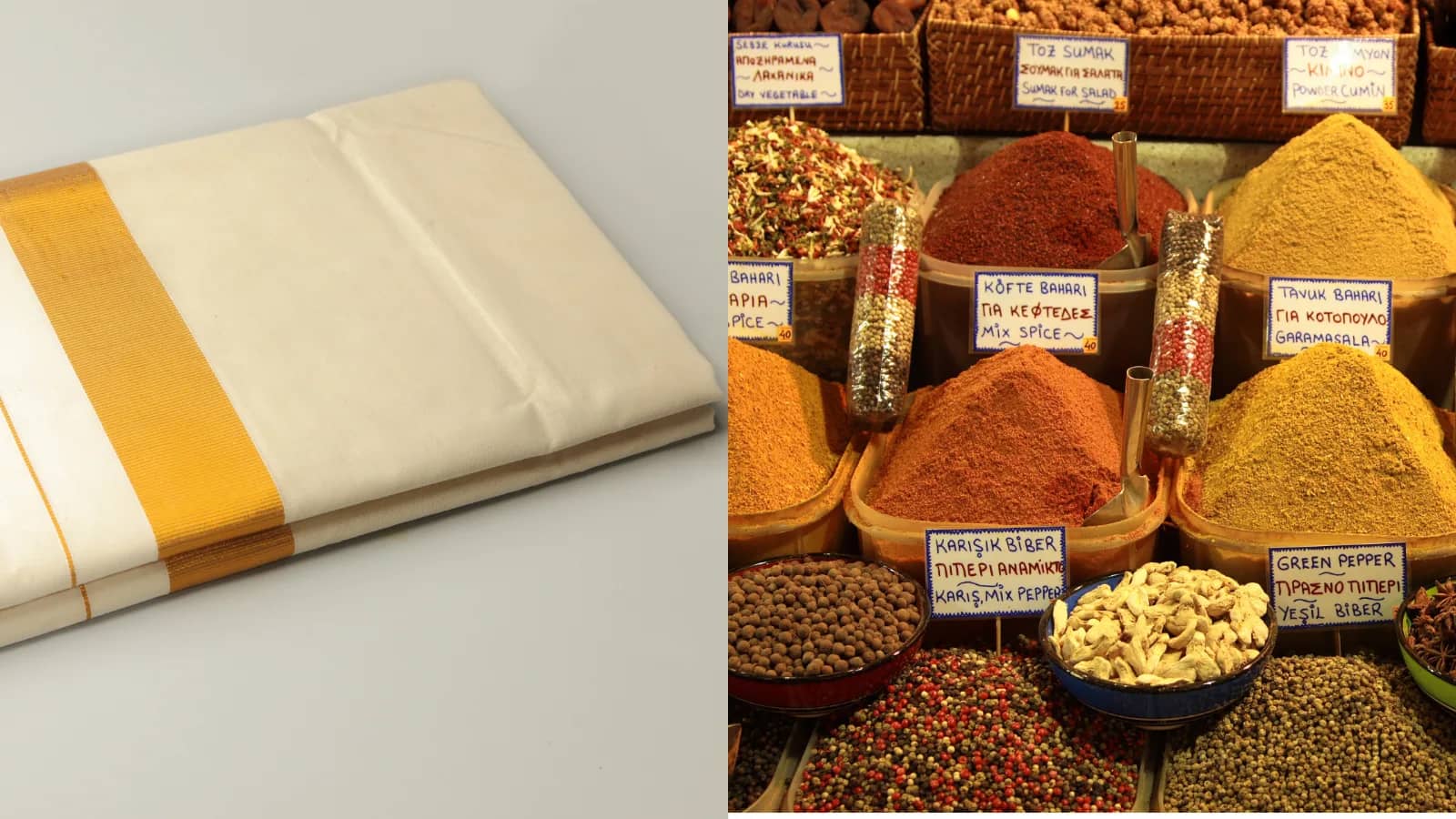
The beachside stalls are a colorful, lively extension of the local coastal culture. But what to buy in Kovalam? The honest answer: loose spices, handloom textiles, and simple silver jewellery. Everything else requires scrutiny.
Loose spices are the single best purchase available in this part of Kerala. Kerala black pepper, cardamom, and turmeric are world-class genuinely aromatic, significantly better than what supermarkets elsewhere stock, and dramatically cheaper when bought loose from a spice stall rather than in tourist packaging. If someone asks what to bring back from Kerala, the answer is spices.
Handloom cotton including lungis (the traditional men's lower wrap), sarees, and cotton shirts woven in Kerala are genuinely good fabric. Light, breathable, and well-made. For women, the kasavu saree (cream fabric with a gold border) is a Kerala-specific textile that is both culturally significant and practically beautiful.
The market lane behind Lighthouse Beach has several shops selling these at prices that are fair if you are willing to walk slightly away from the beachfront.
Kerala Art and Craft Village is worth a dedicated visit. Craftspeople demonstrate their work. You watch a piece being made before you buy it, which changes the transaction into something more interesting. Prices here are generally fair and quality is vetted.
Coconut shell crafts - genuine handmade pieces carry slight irregularities. Mass-produced imitations are smoother and more uniform. The difference is visible side by side.
What locals consider overpriced tourist traps:
"Antique" wooden statues and furniture from beachfront stalls, almost all of it is mass-produced or imported and marked up three to five times. Pre-packaged massage oils from beach shops of variable quality at inflated prices. Generic beachwear buys one lane back from the beach at a fraction of the beachfront price.
Bargaining note: The market lane directly behind Lighthouse Beach is the right place for negotiating on smaller items. Go in the morning and vendors are less tired and more flexible than in the evening.
9. Evening Walk and Sunset on the Promenade
Is Sunset Visible in Kovalam Beach?
Yes. Kovalam faces west. The sunset over the Arabian Sea is visible every clear evening from the beach and promenade. This is one of the most reliable pleasures the place offers.
The beach fills up 45 minutes before sunset. Families spread out on the sand. The lighthouse begins its slow rotation. Dogs appear. And then the sky turns orange, then deep pink, then a tight band of colour at the horizon. It lasts about eight minutes at full intensity. It is worth being there for all of them.
After sunset, the narrow market lane behind Lighthouse Beach becomes the most enjoyable part of Kovalam. Shops lit up, food smells layering on each other, people walking without the weight of the afternoon.
The promenade is lively without being chaotic. Dinner here, eaten slowly while the night settles in around you, is the correct end to a Kovalam day.
Does Kovalam Have Nightlife?
Kovalam does not have nightlife in the Varkala or Goa sense. No clubs. No late-night scene. A few hotel bars with licences, occasional live acoustic music at beach shacks, and the promenade itself which winds down by 10pm to 11pm.
This is not a failing. It is what Kovalam is. The visitors who love it most came for the sunset, the seafood, and the ability to sleep at a reasonable hour. Walking the lit section of Lighthouse Beach after dinner, with the lighthouse rotating overhead and the sound of the sea constant beneath everything, is its own kind of evening. Not nightlife. Something quieter and more satisfying.
On walking the beach at night: The main promenade stretch of Lighthouse Beach has police patrols and is generally reported as safe up to around 10pm. Stick to the lit, populated section. Avoid isolated ends of the beach, dark stretches beyond the promenade lights, and areas near fishing equipment after dark. Standard awareness applies.
10. Poovar Backwaters and Azhimala Shiva Temple: What to do around Kovalam
Two of the best things to do around Kovalam are not in Kovalam at all.
Azhimala Shiva Temple sits on a rocky coastal headland about 8km south of Lighthouse Beach. The drive takes 20 minutes by auto. What you find when you arrive is a large Shiva statue overlooking the sea, a temple complex that is genuinely active and visited by locals rather than tourists, and a stretch of coastline that is dramatically quieter than anything on the main beach strip.
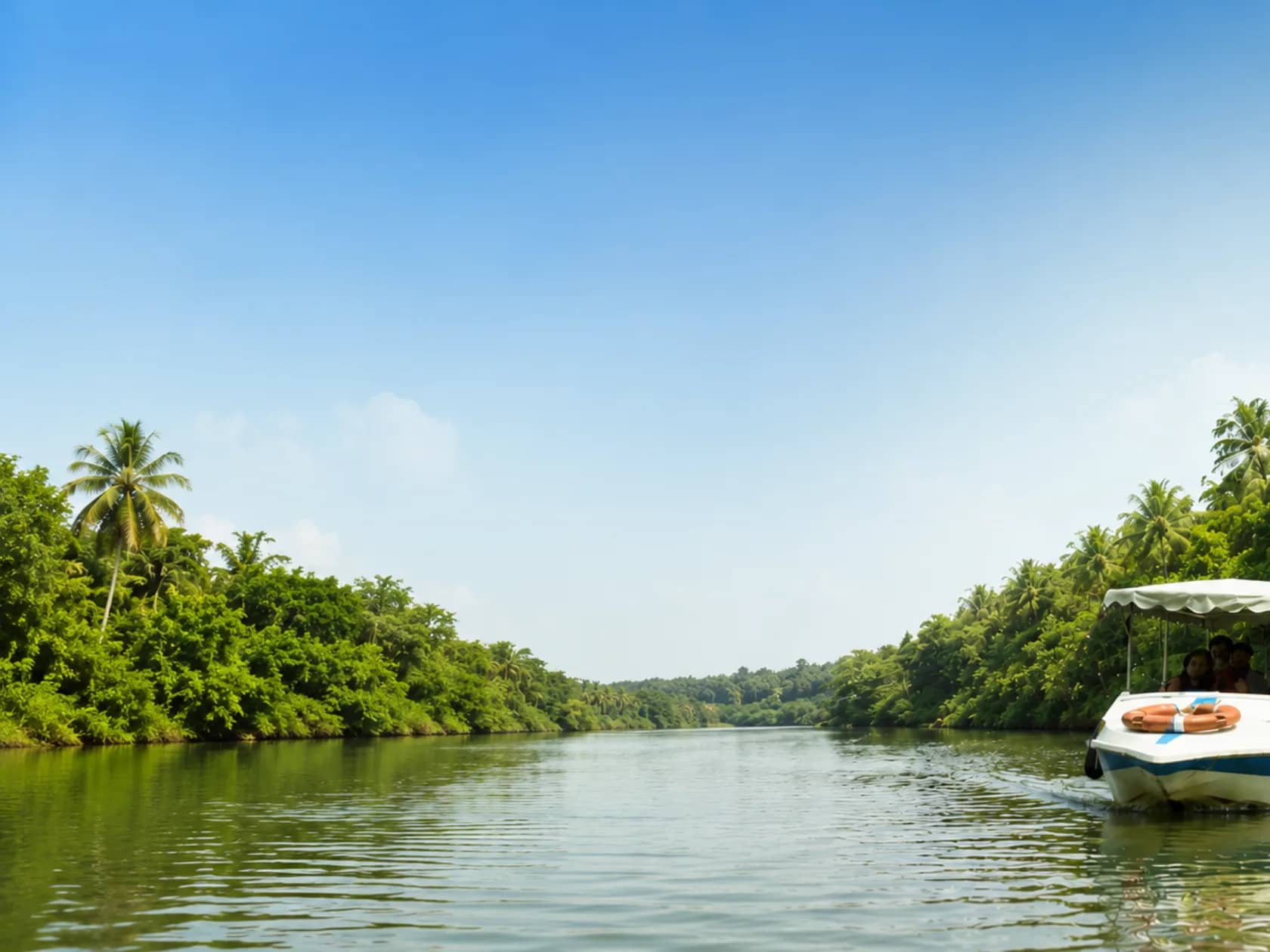
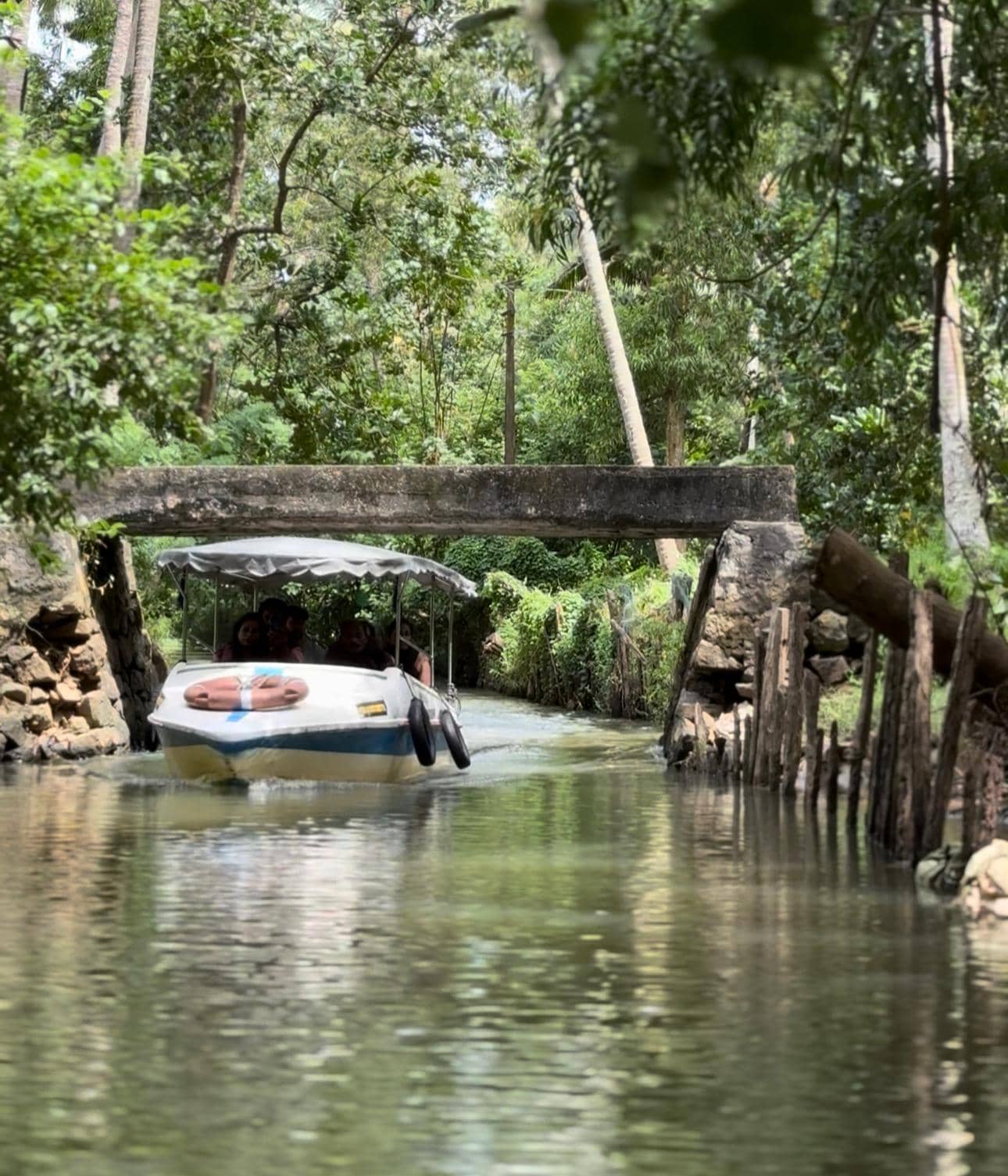
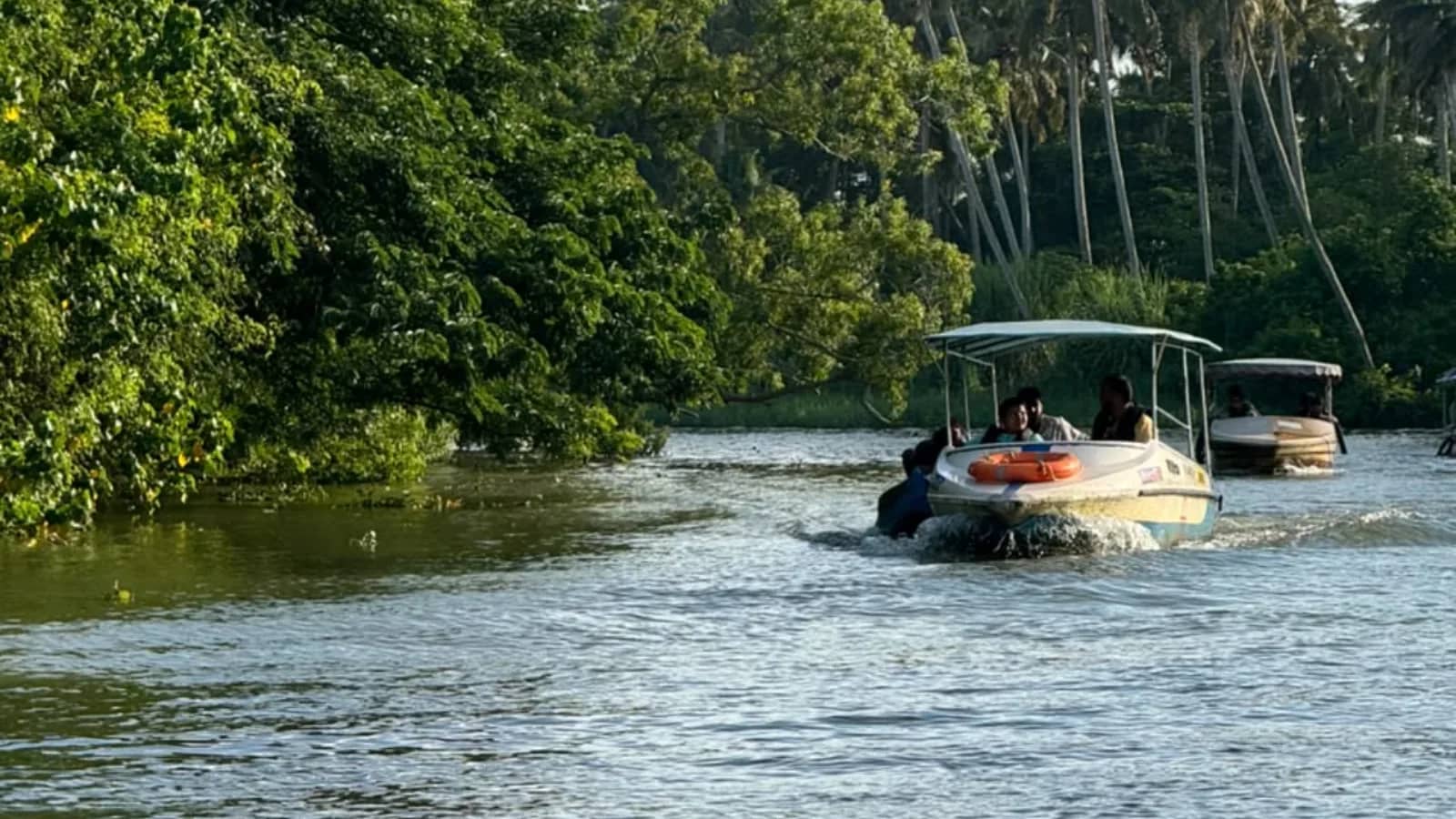
Poovar Backwaters sit about 15km south of Kovalam, and the landscape there is unlike anything on the beach strip. This is where a river, a backwater lagoon, and the Arabian Sea converge, a rare geographical meeting point that produces channels lined with coconut palms and dense mangrove corridors that open suddenly onto a beach accessible only by water.
Poovar boating through the backwaters takes 90 minutes to 2 hours depending on the route. The late afternoon return, with the light on the water changing through the channels, is the version worth choosing.
Explore Islands, Mangroves & Beaches
Poovar Boating Cruises Starting at Just ₹1,199/-
Book Poovar backwater cruises online at transparent rates and enjoy a hassle-free experience with Cruoo.
Check AvailabilityHow Many Days Are Enough for Kovalam?
Two full days is the right answer for most visitors.
One day gets you the beach, the sunset, and one good meal. It does not get you Samudra, Ayurveda, the Vizhinjam food trip, Kathakali, or the slower rhythm that makes the place make sense.
Three days works well if you are doing a proper Ayurveda programme with multiple sessions, or if your idea of a beach holiday includes extended stretches of doing nothing deliberately. Kovalam is an excellent place for this. A Poovar day trip fits naturally into a three-day structure.
Beyond three days, most active visitors feel ready to move on to Poovar, Varkala, or Kanyakumari (approximately 75–80km from Kovalam, about 2 to 2.5 hours by road).
Is Kovalam Better or Varkala?
Neither is objectively better. They are different experiences for different travellers.
Kovalam is better for:
- Families with children - flatter beach access, lifeguards, gentler surf
- First-time Kerala visitors who want reliable infrastructure
- Travellers arriving via Trivandrum airport (20–30 minutes away)
- Anyone who values sunset promenades, resort Ayurveda, and convenience
- Short stays of 2–3 days where ease of navigation matters
Varkala is better for:
- Couples and solo travellers seeking more character and cafe culture
- Longer stays where food variety and visual drama matter
- Cliff-top views and a more bohemian social atmosphere
- Backpackers who want a social scene
The consistent observation from people who have visited both: Kovalam wins on evenings, family comfort, and logistical ease. Varkala wins on overall vibe and food variety for longer stays. If you are arriving at Trivandrum airport within 2–3 days, Kovalam is the straightforward choice.
What Is the Best Month to Visit Kovalam?
Late November to mid-February is the sweet spot.
The sea is calm and swimmable. The weather is settled at 25°C–32°C during the day. Evenings are genuinely comfortable. Sunsets are clear and reliable.
December and January are peak season with the best weather but highest prices and most crowded. Book accommodation well in advance.
Late October and early November offer a quieter alternative. The monsoon has just cleared, the landscape is deeply green, and rates are lower. Underrated window.
Monsoon (June to September): Heavy rain is consistent. The sea is rough and swimming is often suspended. Ayurveda practitioners consider monsoon ideal for treatments, the humidity aids oil absorption and the quiet makes for a more focused retreat.
First-time visitors wanting the classic beach experience should avoid monsoon. Visitors specifically coming for multi-day Ayurveda programmes may prefer it.
When not to visit for beach activities: Mid-June to late September.
Final Word
The visitors who leave Kovalam feeling like it was worth it are rarely the ones who ticked the most boxes. They are the ones who woke up for Samudra, ate where the locals eat, sat through a full Kathakali performance, and let the sunset run longer than planned.
Kovalam does not reward rushing. It rewards the willingness to slow down and let it show you what it actually is.
FAQ
Q: What is special about Kovalam?
Q: How do I spend a day in Kovalam?
Q: What to see in Kovalam in 2 days?
Q: What are the adventure activities in Kovalam?
Q: What is Kovalam famous for?
Q: What to buy at Kovalam Beach?
Q: Can we go to Kovalam Beach at night?

Written by
Sherin Stephen · Trivandrum
Born and raised in Trivandrum. Loves to travel — long weekends, short trips, the occasional unplanned detour. Shares the odd note here when something is worth passing on.
Explore Islands, Mangroves & Beaches
Poovar Boating Cruises Starting at Just ₹1,199/-
Book Poovar backwater cruises online at transparent rates and enjoy a hassle-free experience with Cruoo.
Check Availability